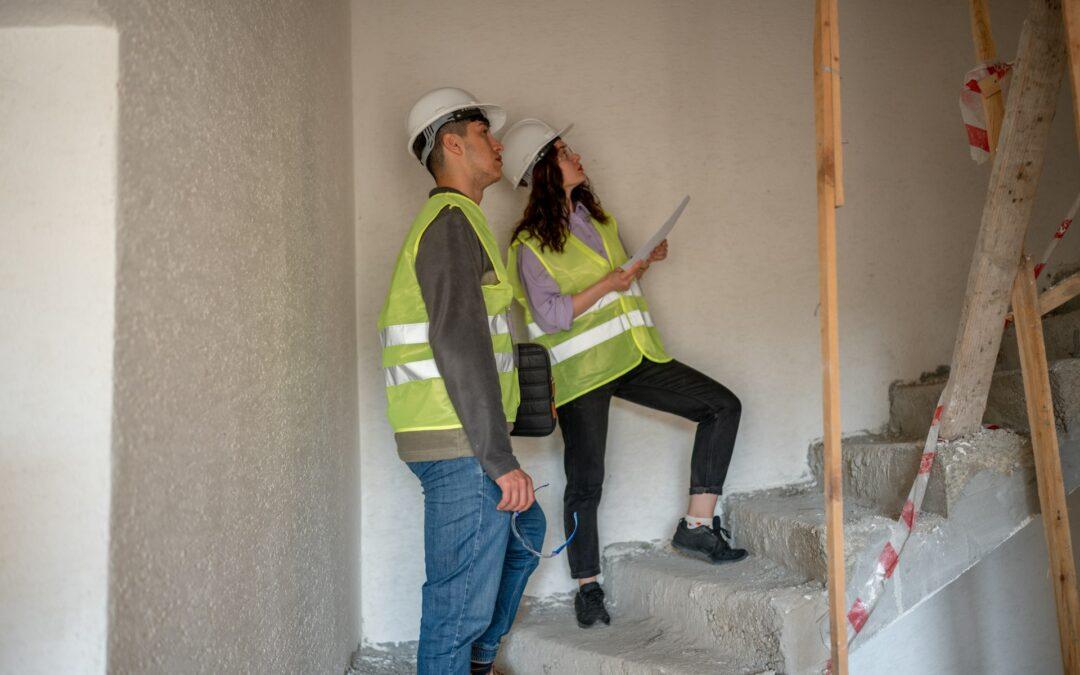
When someone decides to add a room or expand their home, one of the first things we look at is the condition of the walls that already exist. Before framing starts or materials get ordered, there is a lot to understand about the structure we are building onto. These walls help guide what kind of work makes sense, what changes might be required, and how the old space can safely connect with the new one.
For any homeowner working with a home addition contractor in places like Walton Beach or Milton, having a little insight into what we check for can make the project feel a whole lot smoother. It is part of setting the stage before anything gets torn down or opened up.
Finding the Load-Bearing Walls
One big thing we look for right away is which walls are load-bearing. That means figuring out which ones carry weight from above, like from the roof or a second floor. These are not just walls you can remove without thinking about it, because they help keep the house steady and supported.
We often check blueprints if available, but we also use other clues like how walls line up across floors or how they connect to beams. Once we know which walls do the heavy lifting, we can figure out what is safe to open up and where we will need extra support if a doorway or hallway needs to go through.
- Load-bearing walls support the structure above
- Non-load-bearing walls divide space but do not support weight
- We check both the layout and framing to spot the difference
Checking for Plumbing and Electrical Lines
Walls are not just wooden frames covered in drywall. They often carry electrical wires, pipes, or both. Before we touch anything, we have to know exactly what is running through the wall and how it affects the rest of the house.
We take time to test outlets, locate switches, and look for signs of where plumbing might be hidden. This step helps avoid broken wires or burst pipes once things get moving, and it can help us plan better when figuring out where to place new lights or move existing systems.
- Plumbing and wires can be hidden behind nearly any wall
- We test, trace, and sometimes use small openings to look inside
- Finding these early helps keep water and power flowing during construction
Looking at Wall Materials and Condition
Not all walls are built the same way. Some homes have plaster, others drywall. In certain parts of older houses, you might even find wood paneling or mixed materials from past repairs. Knowing the type of material helps us understand what we are working with and what to prep for before starting demolition.
We also look for damage like moisture stains, cracks, or signs of termites or mold. If there is previous patchwork, those areas may need extra support. Getting an early look helps avoid surprises later and keeps the new addition matched in finish and feel with the rest of the house.
- Materials matter for both appearance and strength
- Damage can point to deeper issues that need fixing first
- Matching new and old construction starts with knowing what is already there
Matching Wall Thickness and Alignment
When adding space to a house, we aim for the new parts to flow right into the old ones. That means checking how thick the existing walls are and seeing if everything lines up cleanly from one room to the next. If a new wall is thicker or thinner than the one it connects to, that can throw off door frames or trim.
Framing can shift slightly over time too, so angles might be off by just a little. But small differences can snowball, which is why we check things closely. A clean transition helps the addition feel like it was always part of the house.
- Wall thickness needs to match from room to room
- Stud spacing and finishes also need to line up
- Careful checks now prevent frustration during trim work and finishing
Making Room for New Openings or Supports
Expanding a home usually means creating new doorways, hallways, or pass-throughs. Sometimes an entire section of a wall needs to be opened up so the old and new spaces feel connected. That is when we must carefully plan what kind of supports are needed to take over the load of what we are removing.
If a load-bearing wall is getting changed, we might install a header or beam to carry that weight. This is not something to rush, since house stability depends on getting this part right. We factor in where posts can go, how they will fit into the wall, and how they connect with ceilings or floors.
- Larger openings may require special supports
- Planning this ahead keeps balancing weight where it is needed
- We look at the full layout to place new structure safely
Expertise That Makes a Difference
When we work on home additions in the Gulf Coast region, our team draws on over three decades of experience bringing quality construction to local homeowners. Coastal Heritage Builders is fully licensed and insured, and we specialize in solutions designed specifically for the unique conditions and homes in Walton Beach and the surrounding areas. We make sure each step, from engineering to framing to finishing, follows safe practices and matches the look of your original home.
Building From a Solid Foundation
A well-built addition should feel like it has always been part of the home. That all starts with how we look at the existing setup, especially the walls we are tying into. We are not just framing a new space, we are continuing what is already there in a way that feels natural and solid.
By checking structure, materials, alignment, and utilities ahead of time, we set the project up for smoother progress and fewer delays. When everything lines up from the inside out, your addition blends in with your home and works just the way it should.
Every home we build onto begins with careful attention to the details that already exist, because the structure inside your walls plays a major role in how everything fits together. Thinking about expanding your space in Walton Beach or Milton? Knowing what a home addition contractor examines before starting can give you peace of mind. From load support to material matching, we map out each phase to keep your project moving forward. At Coastal Heritage Builders, we treat your home like our own from the very first visit. Reach out when you are ready to discuss your next steps.
Recent Comments