Blog
Start Smart: Let Your Gulf Coast Lot Lead the Way
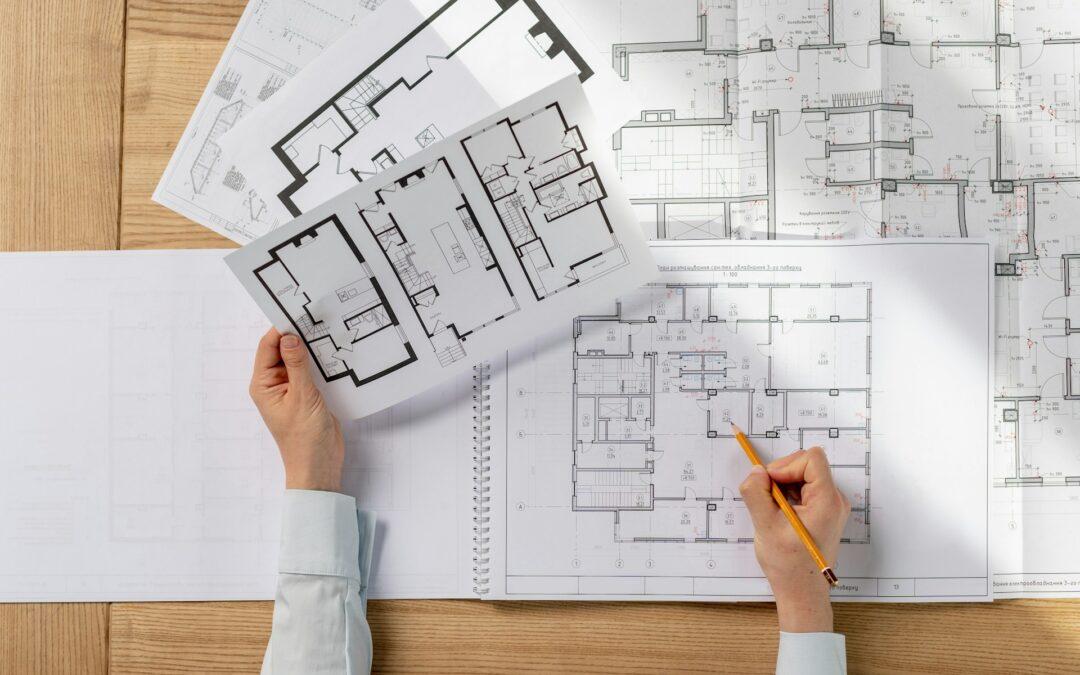
On the Gulf Coast, the land you build on is not just a backdrop; it is the main character in your custom home story. Wind, flooding potential, salt air, and strong sun can all work for you or against you, depending on how well your house plan responds to the lot. When you start with the site and then shape the design around it, you end up with a home that feels natural, comfortable, and far easier to maintain.
At Coastal Heritage Builders, we focus on custom home construction in Gulf Breeze and nearby Gulf Coast communities, so we see every day how lot-first thinking pays off. In this article, we will walk through how to read your property, how codes and coastal conditions affect design, and how to match the right plan to your specific piece of land so you can avoid costly changes once construction begins.
Read Your Lot Like a Pro Before You Design
Long before you pick cabinet colors or flooring, it pays to understand where the sun, wind, and views are on your lot. The Gulf Coast sun can be intense, especially in the afternoon, so you want to know where it rises and where it sets in relation to your property lines. Placing big windows on the east and north sides often brings in softer light, while keeping large west-facing glass under shade or porches can reduce glare and heat gain.
Outdoor living is a big part of life in Gulf Breeze, so you also want to think about where you will actually sit outside. A back porch that bakes in the late-day sun will not get used nearly as much as one tucked into a shaded corner or oriented to catch prevailing breezes. Simple choices like roof overhangs, pergolas, and covered patios can make porch time pleasant instead of sweltering.
Natural features tell an important story too. Mature trees may offer valuable shade and wind protection, while dunes or wetlands may limit where you can build. Water views or glimpses of the bay or sound might influence where you place your main living spaces or owner’s suite. At the same time, neighboring homes and their window locations affect where you can keep privacy without feeling closed in.
Access and privacy are easy to overlook when you are excited about floor plans. Corner lots, interior lots, and cul-de-sac lots all suggest different driveway and garage locations. Setbacks and easements can shrink your buildable footprint more than you expect. Before falling in love with a wide, sprawling plan, it helps to confirm where you can and cannot build, and how close you will be to neighbors on each side.
Codes, Wind, Flood, and Gulf Coast Rules Made Simple
On the Gulf Coast, codes are not red tape; they are part of your protection plan. Flood zones and base flood elevations affect how high your finished floor needs to sit above ground level. This is where choices like raised slabs, pilings, or living areas above parking come into play. Each option affects where stairs go, how you access the main floor, and what you can realistically use the space under the home for.
Wind resilience is another big piece. Local requirements influence the types of roof shapes that perform better in storms, the connections between roof and walls, and the size and style of windows and doors. A simple, well-tied roof structure usually works better in strong winds than a complicated roofline with lots of unnecessary peaks and valleys.
You will also want to factor in local regulations and any neighborhood or HOA guidelines before you get attached to a plan. These can include:
• Height limits that cap how tall your home can be
• Lot coverage rules that limit how much of the lot can be covered by the structure
• Architectural review requirements that steer exterior style and materials
• Rules about garages, fences, and accessory buildings
Checking these upfront keeps you from designing something beautiful on paper that is not allowed on your street.
Match the Right House Plan to Your Gulf Coast Lot
Once you understand your lot, you can start looking at how different footprints fit. A wide, single-story home can be perfect on a generous lot but might be squeezed by setbacks on a narrow property. Multi-story homes are often a better match for smaller or irregular lots because they stack space instead of spreading out, leaving more room for parking, landscaping, and outdoor living.
Slope and drainage patterns also matter. Even subtle changes in grade can affect where driveways work best, where water wants to flow during heavy rain, and how high you need to raise certain areas. Sometimes shifting a garage to the opposite side of the plan or rotating a house a few degrees on the site makes the driveway easier and helps water run away from the foundation instead of toward it.
Many homeowners start with a stock plan and then adjust it. With a builder experienced in custom home construction in Gulf Breeze, you can often modify porches, move a garage, or flip a layout so the home fits your specific lot while still keeping the overall design you like. That might mean relocating a main bedroom to capture a better view, widening a rear porch, or adding a covered entry that suits how you will actually approach the house.
Outdoor spaces deserve the same attention as the interior. On the Gulf Coast, you may want:
• A shaded back porch for everyday relaxing
• A pool or splash area located away from harsh afternoon sun
• An outdoor kitchen positioned for breeze but protected from direct salt spray
• Decks or balconies that frame views without invading neighbors’ privacy
Balancing views, breezes, setbacks, and neighbor locations makes your yard feel like a natural extension of your interior rooms.
Design for Coastal Comfort, Efficiency, and Durability
A lot-responsive plan also looks ahead to how the home will feel and perform over time. On the Gulf Coast, comfort and energy efficiency start with orientation and shade. Thoughtful use of overhangs, pergolas, and covered porches can keep direct sun off key windows while still letting natural light pour in. Smaller or shaded windows on the hottest sides of the home, paired with larger openings on cooler sides, help your HVAC system work less.
Materials are another big part of coastal life. Salt air, humidity, and wind put siding, roofing, windows, and fasteners to the test. Choosing durable, coastal-ready materials may slightly shift exterior details, such as trim profiles or how railings and columns are designed, but the payoff is fewer headaches later. Planning for these choices from the start, rather than swapping them in at the last minute, keeps the look cohesive and the budget clearer.
Smart, eco-friendly design goes deeper than insulation levels. It includes:
• Locating mechanical rooms and HVAC equipment where they are accessible and protected
• Grouping plumbing-heavy rooms in sensible zones to reduce line runs
• Designing cross-ventilation paths where windows can safely be opened
• Planning roof space and orientation that can support future solar if desired
When the floor plan respects the lot and the climate, comfort becomes part of the structure instead of something you fight with every month on your utility bills.
From Lot Walk to a Home That Truly Fits
One of the most helpful steps at the start of a project is a thoughtful lot walk with your builder. Walking the property with a trained eye often reveals details that do not show up clearly on a survey, like soft spots in the soil, natural drainage channels, or how the sun actually hits in the late afternoon. Catching those things early can prevent surprises with fill dirt, retaining walls, or driveway layout once work begins.
A successful custom home is always a collaboration between you, your designer, and your builder, guided by the strengths and limits of the lot. As you refine the plan together, each tweak should support your lifestyle, local conditions, and the realities of budget and schedule. When the design grows from the land instead of being forced onto it, you end up with a Gulf Coast home that feels secure in storms, comfortable on bright sunny days, and perfectly at home on its Gulf Breeze lot.
Design Your Gulf Breeze Custom Home With Confidence
If you are ready to turn your vision into a coastal home that fits your life, we invite you to start with our short questionnaire for custom home construction in Gulf Breeze. At Coastal Heritage Builders, we use your answers to understand your goals, budget, and timeline so we can give you clear, practical guidance from day one. Share a few details to begin planning with our team, or reach out directly through contact us to talk through your ideas and next steps.
Blog
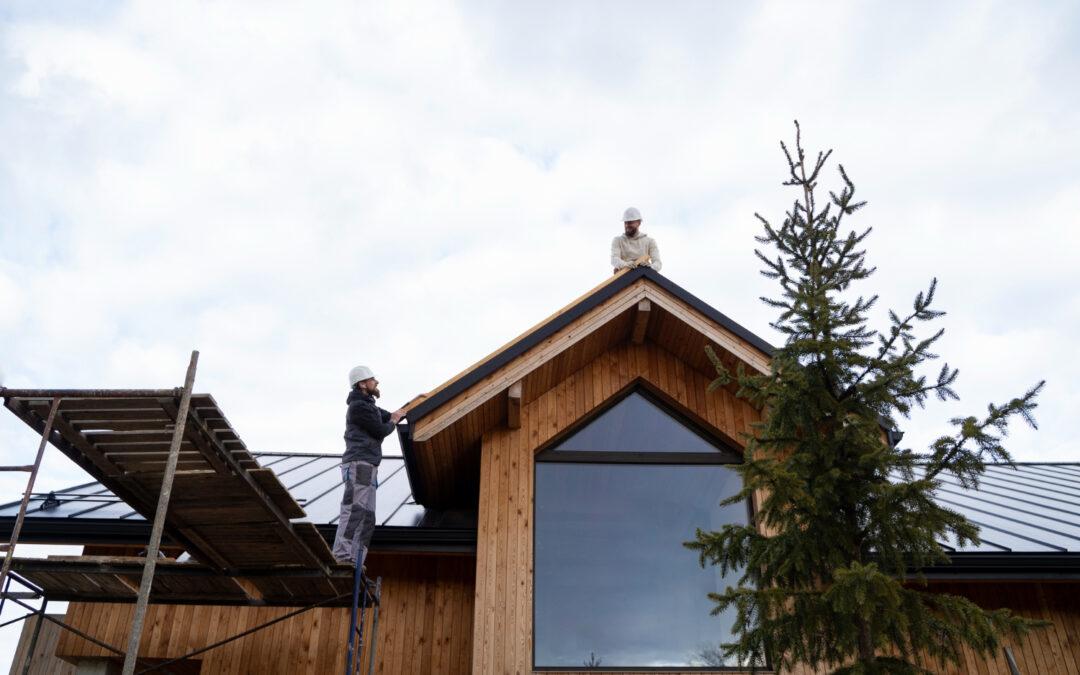
Winter construction in Milton, Florida, doesn’t stop when the temperatures drop. Even with the mild Gulf Coast weather, the season brings a few natural shifts in how we plan and manage jobs. A home builder in Milton, FL, keeps things moving by focusing on the kinds of projects that make sense during this time of year. Some work becomes easier, and some needs more planning. Either way, winter offers steady opportunities to make progress on builds while avoiding the major heat or potential scheduling bottlenecks of spring and summer. Whether we’re working indoors or getting a site ready for its next phase, winter can be a productive season in its own quiet way. We find that with the right approach, winter often feels less rushed and brings a sense of order to each stage of a project.
Framing and Enclosed Work
Once the slab is poured and the foundation has had time to settle, winter is an ideal season to frame the structure and get the shell of the home enclosed. That’s a major win for pacing and predictability on the job site. Walls, windows, and roofs help create a dry space inside where our crews can move forward comfortably, without stopping for storms or hot sun that are so common in other seasons.
• Framing is more efficient with cooler daytime temperatures, which helps both crew productivity and material conditions by reducing heat stress on wood and workers.
• Once the roof dries in and windows are sealed, we can shift inside even during rainy days without slowing down progress.
• The enclosed home gives room for trades to start their part while exterior work continues when weather allows, so there is rarely wasted time.
This type of staging also helps homeowners see their vision start to take shape earlier in the process, which can be encouraging during the slower winter months. Seeing real progress week to week, even in winter, keeps everyone motivated and confident in the job’s direction.
Interior Progress: Plumbing, Electrical, and HVAC
Getting a structure closed in means trades like plumbing, electrical, and HVAC can jump in next. These systems make up the backbone of the home, and installing them over the winter provides valuable time to troubleshoot and check all work before insulation and drywall go in. It’s a good way to reduce later headaches, since issues can be spotted and addressed right away, rather than rushing through in busier months.
• Plumbers can lay water lines and drain systems without battling outdoor heat or lightning delays, making their jobs less stressful and more accurate.
• Electricians have space inside to run wiring, install boxes, and prep the panel for connection, which helps to avoid clashes with other trades.
• HVAC crews can install ductwork with fewer obstructions once framing is visible and clear, giving everyone a better view of what needs to be done.
These quieter months also give us more flexibility in scheduling inspections. That head start helps avoid the kinds of backups that often hit during the busy spring season. Having extra time to walk through systems, finish punch lists, and double-check plans increases the quality of the finished work and leaves less risk for missed details.
Site Prep and Permit Planning
What happens outside matters just as much as work inside the house itself. Winter is when we help clients prep their land and start clearing the way for next steps. Even if a project hasn’t broken ground yet, there’s a lot we can do in advance so that once the weather is perfect, all is ready.
• Brush clearing, grading, and laying down base material can move forward between rain systems. By taking advantage of dry stretches, we prepare for future phases without losing momentum.
• Utility planning, including where to run water, power, and sewer, helps avoid headaches later by spotting hidden issues before a shovel hits the dirt.
• Permits often take time to process, even in a smaller Florida town like Milton, and winter is a smart time to get those moving so approvals and paperwork don’t end up delaying an otherwise ready project.
While paperwork isn’t always the most exciting part of the job, this stage sets the tone for how smooth things go down the road. When permits arrive and land is graded right, the entire project feels less stressful. We encourage clients to use the winter months for early planning and clearing, so that when the next phase is ready, there’s nothing holding back the start.
Seasonal Considerations for Gulf Coast Builds
We don’t deal with snow in Milton, but winter still has its quirks. Instead of freezing temps, we’re working around rain, soft ground, and the occasional windy front from the Gulf. That means we prep jobs a little differently but can still make solid strides by working with, not against, the local weather.
• Materials need dry storage or quick cover options to keep them ready to use, reducing risk of damage if rain rolls in overnight or during a lunch break.
• Exterior drainage should be managed from the start to stop puddles and soft spots from causing delays, prepping swales and gravel before any foundation work is scheduled means a smoother build.
• We often stay weather-flexible with workdays, building in tasks that can be done even when a cold front rolls through, like checking punch lists, installing hardware, or poring over plans indoors.
Our goal is always steady progress, adapting to whatever the weather brings. With a bit of planning, winter can be one of the most productive seasons a build sees, especially in Florida’s panhandle where project timelines can be unpredictable at other times of year.
Local Expertise From a Proven Builder
Coastal Heritage Builders is a family-owned, fully licensed and insured construction company serving Milton, FL, and nearby Gulf Coast communities since 1992. We specialize in custom home building and have completed countless projects that take advantage of Florida’s climate, including efficient staging during the winter season. Our experience includes site work, permit coordination, and full project management, helping keep builds on track regardless of the season. With a local understanding of Milton’s codes and winter weather, we stay ready for every step your project needs. Over the years, we’ve learned how to balance ambition and patience, so clients get the best result from planning to move-in day.
Why Winter Work Matters for Long-Term Progress
Staying active during winter has a big payoff. Dry-in work, interior systems, and prep tasks done now create less pressure later. That’s a big deal when materials are in high demand or lead times stretch out in early spring. We see every winter as an opportunity for a smooth start, and that makes all the difference in a home’s construction journey.
• We avoid bottlenecks by tackling steps that don’t rely on warmer weather, so the project keeps moving even when outdoor work is limited.
• Projects in motion now often finish sooner, giving homeowners a better path to their move-in timeline and less stress as the busy season arrives.
• A home builder in Milton, FL, who stays productive during the winter can help projects hit their next targets faster and more smoothly, while keeping quality at the center of each decision.
Winter isn’t downtime, it’s setup time. With the right plans in place, we keep jobs moving so each home is stronger, smarter, and ready for Florida’s changing seasons. Thoughtful winter scheduling provides peace of mind for everyone involved.
Planning your project this season? See some of the work Coastal Heritage Builders has completed across Florida’s Gulf Coast to see how winter progress sets the stage for impressive results. Our completed projects highlight the consistent, well-paced craftsmanship that defines us year-round. To see what we can achieve as a home builder in Milton, FL, reach out to discuss your vision.
Blog
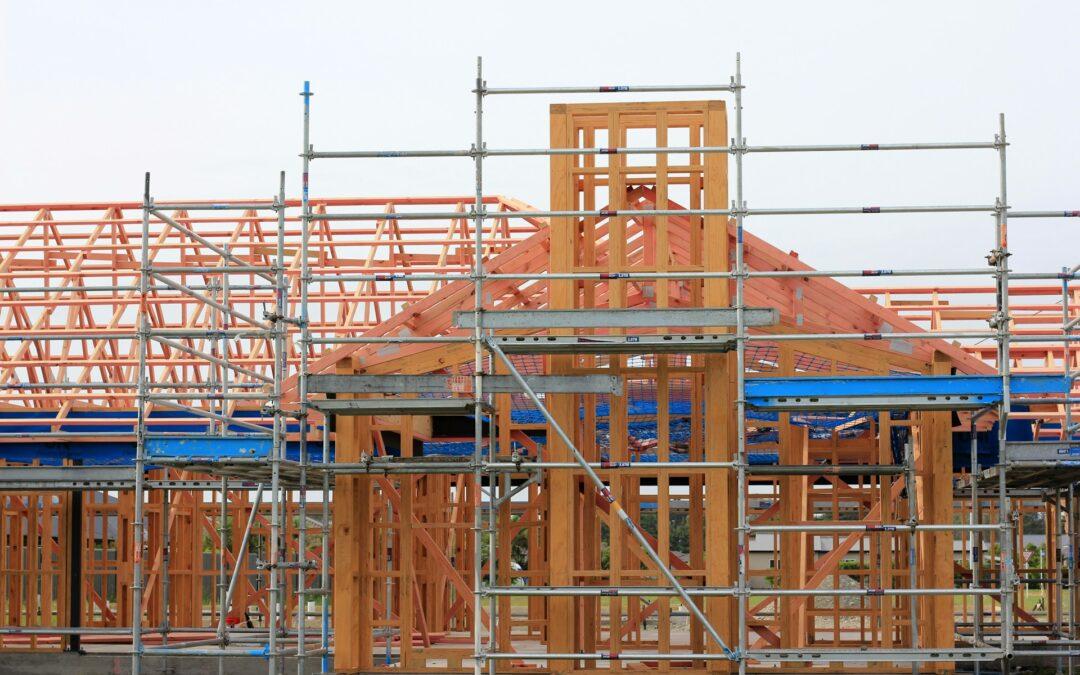
Building a custom home in Fort Walton Beach is something many people daydream about. The mild winters, coastal breezes, and laid-back atmosphere make it a perfect place to create a home that truly fits your life. But before the foundation is poured or plans are drawn, knowing how to get ready helps everything feel more manageable.
Preparation isn’t just about picking materials or finishes. It starts way before that, with a clear idea of what matters most to you and how you’d like to live in your new space. Whether you’re already working with a bespoke home builder in Fort Walton Beach or just starting to explore the idea, a little planning upfront can save time and stress once things get underway.
Dream It, Then Write It Down
Before any real decisions happen, it helps to get your ideas out of your head and onto paper. This first step is simple but important. It’s where you start to shape your vision of what home means to you.
- Start with what matters most. Do you need more space for growing kids? Want a layout that fits your hobbies? Love to host family for dinner?
- Make a list of everyday needs versus nice extras. Having both written down helps later when choices come up.
- Create a photo folder or notebook. Save pictures of rooms you like, colors that feel right, and layouts that match how your family lives.
This step is where the foundation takes form, not in cement, but in ideas. When your plans are clear now, it’ll be easier to share those ideas with your builder and make sure nothing important slips through the cracks.
Know Your Land and Location
In a coastal spot like Fort Walton Beach, not all land is the same. Some areas are close to the water, while others need extra planning for wind or drainage. Choosing the right spot is part of the early work that makes a home function safely and comfortably.
- Soil type and elevation are part of what builders need to check. Sandy soil and stormwater issues are common in the Florida Panhandle and can affect building plans.
- City rules, called setbacks, tell you how close to the edges of the lot your home can sit. These vary by neighborhood and lot shape.
- Having a builder who knows the area helps spot challenges early, like small lot sizes or unusual zoning requirements.
The location shapes more than just the view. It helps decide what kind of foundation you’ll need, where driveways can go, and how windows or rooms are best placed to catch light and breeze.
Understand the Process and Timeline
Once you’ve got land and ideas in place, things start to move. But a full home build doesn’t happen overnight. Knowing what happens when (and how long it might take) gives you room to plan other parts of life around the project.
Here are some general stages to expect:
- Design and planning: drawings, permits, and final choices
- Site prep and foundation work
- Framing, roofing, and exterior work
- Plumbing, electrical, and insulation
- Interiors: drywall, flooring, paint, kitchens, and baths
- Final walk-through and move-in prep
Each phase has steps that feed into the next. Delays can pop up when permits take longer, materials are late, or weather gets in the way. Keeping a flexible mindset, asking questions, and reviewing timelines with your builder now and then keeps everyone lined up.
Choose the Right Help From the Start
Who you work with matters. A home is a big investment of your time, money, and energy. Having the right partner, someone who listens, explains clearly, and works with you at every step, makes a huge difference.
- Look for someone who is licensed and insured in Florida.
- Choose a builder who asks about your priorities and doesn’t push templates or fast timelines.
- Good communication really matters. You want someone who answers your questions and tells you what’s coming next.
Working with a bespoke home builder in Fort Walton Beach means you’re getting more than a crew of workers. You’re getting someone who understands how local weather, codes, and layouts affect the way homes work here. If they’re familiar with Fort Walton Beach lots and systems, it helps everything move a little smoother.
Plan for the Little Details That Matter Later
Some of the easiest things to forget right now become the things you notice most after moving in. That’s why it’s smart to think through the smaller parts early, even if they seem minor or easy to fix later.
- Light switches, outlets, and internet wiring
- Where storage goes, in closets, laundry rooms, and garages
- Outdoor space, do you want a covered patio, outdoor shower, or room for a grill?
The way your home feels often comes from these details. They shape how you use it day to day. It helps to walk through a normal day in your head and note what you touch, turn on, or store. Thinking it through now helps avoid “I wish we had…” later.
Expertise That Sets Us Apart in Fort Walton Beach
At Coastal Heritage Builders, our family-owned business has served the Gulf Coast since 1992. We bring decades of local home-building experience and personally guide each client at every step, from lot selection to layout and finish choices. Our process emphasizes collaboration, attention to site conditions, and knowledge of Florida’s coastal codes and climate, so every project is built to last.
Building With Confidence and Peace of Mind
Getting ready for a custom home build takes time, but it doesn’t have to feel stressful. When your ideas are clear, your land makes sense, and you have the right help, everything starts to click together with less worry.
Planning ahead means fewer surprises and more control over what your home becomes. And when that new house is ready, it won’t just fit your square footage, it’ll fit your life. Whether you’re building in Fort Walton Beach, Milton, or anywhere nearby, staying organized and asking the right questions along the way makes the process smoother from start to finish.
Picture your future home coming to life in Fort Walton Beach by exploring some of the homes we’ve completed in our area. Browsing through our past projects is a great way to gather inspiration for your ideal layout, finishes, and style while discovering how a space can truly come together when you work with a bespoke home builder in Fort Walton Beach. At Coastal Heritage Builders, we’re here to answer your questions, guide you through every step of the process, and help make your dream home a reality, call us when you’re ready to get started.
Blog
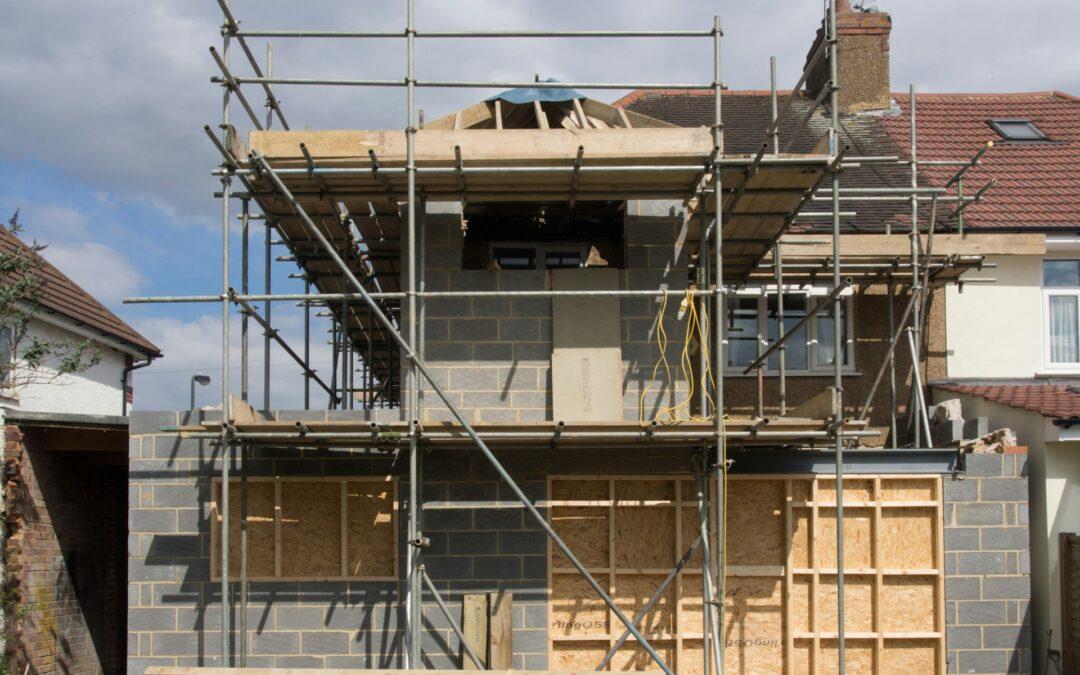
Starting a new home build is exciting, especially in a place like Gulf Breeze, Florida. The mix of water views, warm weather, and quiet neighborhoods makes it easy to imagine settling in. But before any dirt gets moved or walls go up, it’s important to know this area has a unique set of rules. New home construction in Gulf Breeze isn’t harder, but it does come with extra steps that people in other places might not have to think about. From local weather and protective zoning to plans that fit in with the shoreline, it all matters. These guidelines are not meant to slow things down, but to keep homes safer, stronger, and built in ways that respect the land around them.
Understanding Environmental Protections
Gulf Breeze sits close to sensitive spots like the bay, marshes, and protected wetlands. Building near these areas means following extra rules that help care for the natural landscape. Even though each lot in town is a little different, many are close enough to these zones that the build needs to be planned with care.
- Builders often need to work around buffer areas set by both city and federal guidelines
- Special permits may be required when a property borders wetlands or conservation land
- Home placement and drainage plans might have to change to protect nearby habitats
This does not mean you can’t build in these areas. It just means the planning process needs to factor in how the home will affect water flow, plant life, and long-term erosion. These protections help make sure new homes sit on solid ground and that nearby landscapes stay healthy in the years ahead.
Wind Zones, Storm Safety, and Building Requirements
Living near the Gulf has plenty of perks, but those ocean breezes can pick up fast when storm season rolls in. Gulf Breeze is in a coastal wind zone, which means local building codes are stricter when it comes to safety. Construction here needs to stand up to strong winds, heavy rain, and the kinds of storms that come through every summer and fall.
- Roofs, windows, and doors all need stronger materials that are rated for high winds
- Tie-down straps, reinforced walls, and other structural details help homes stay grounded
- Inspections look closely at how a home is built to make sure it meets hurricane codes
By putting safety first, families can feel more at ease during storm season. Tougher rules around structure and materials may add steps during the build, but they are there to help homes handle what Florida weather can bring.
Zoning Laws and Neighborhood Planning
Every town has zoning laws, but when it comes to building near Florida’s shoreline, those details can shape an entire home’s layout. In Gulf Breeze, zoning plays a major role in everything from how high a home can be to how close it sits next to a neighbor.
- Setback rules often limit how close a home can be built to the edge of a property
- Height limits may apply, especially in areas with view protections or flight paths
- Lot coverage can limit the percent of land used for the home, driveways, and decks
These local rules keep a neighborhood feeling balanced. They add predictability and help new homes blend in without creating problems around drainage, sunlight, or blocked views. Staying within these limits from the start can save time and prevent stress later on.
Permits, Timelines, and Local Inspections
Building a new home in this area means working through a step-by-step process with the city. Permits, site plans, and inspections all play a role before and during the project. Gulf Breeze has its own timeline for reviewing plans that meet local codes and fit the area’s building standards.
- Permits are often needed for site work, foundation, structure, and finishing touches
- City inspectors usually visit multiple times throughout the build to check key milestones
- Any changes made during construction may require plan updates or extra review
These steps help spot problems early, keep work consistent, and make the final result stronger. While the paperwork may feel like a lot, it is part of what keeps Gulf Breeze neighborhoods well-planned and safe over time.
Expertise You Can Count On
Coastal Heritage Builders is a family-owned builder established in 1992 that specializes in new home construction for Gulf Breeze and the surrounding Gulf Coast. As a fully licensed and insured team, we handle every part of the build, from securing permits and meeting strict hurricane codes to guiding homeowners through city reviews and inspections. Our years of experience in this community mean we know how to deliver homes that blend smart design with local rules and storm readiness.
Clear Steps Bring Better Results
Following special building rules in Gulf Breeze might seem like a lot to think through. But those extra steps help protect your home, your neighbors, and the land under your feet. From planning around wetlands to getting through storm inspections, every part plays a role in a smoother build.
When we work with these rules from the start, things tend to go better. Plans are clearer, surprises are fewer, and the final home fits both the lot and the town. New home construction in Gulf Breeze may follow more rules than in some other places, but those rules are there for a reason. They help the area stay strong, safe, and lasting for years to come.
Take a closer look at some of the new home construction in Gulf Breeze projects we’ve completed to see how thoughtful design, zoning compliance, and storm resilience come together in real neighborhoods. Exploring finished homes can make the planning process feel more tangible and help you visualize what’s possible for your own project. At Coastal Heritage Builders, we’re here to answer questions and help you move forward confidently with your next step.
Blog
When we build new custom homes along the Gulf Coast, layout planning usually comes up early in the process, and for good reason. If you’re working with a high end home builder in Fort Walton Beach, layout isn’t just about where the bedrooms go. It’s about how the whole house will feel and function throughout the year.
Our Florida lifestyle plays a big part in those early choices. We deal with year-round sunshine, salty breezes, and long, hot summers. People want to enjoy the outdoors but stay cool indoors, especially during those humid months. So smart layout planning helps us balance comfort, privacy, and everyday living.
Late winter is a perfect time to make these calls. It’s cooler, which gives some breathing room before spring and summer construction really ramp up. We can focus on design without the added pressure of fast decisions, which leads to smoother building plans later.
How Florida’s Climate Shapes Layout Priorities
Here on the coast, the weather affects just about everything. A well-planned layout starts by working with, not against, what we know about the local climate.
• Homes facing the right direction see less heat build-up during the day, which helps cut down on cooling.
• Large windows work better when they’re shaded from strong afternoon sun.
• Open spaces that allow for cross-breezes can make things feel cooler without running the AC so often.
Outdoor areas often double as living space here. So we think about screened porches, lanais, or shaded patios early in the design process. These spots become daily hangouts and part of how the home flows.
Because our winters are mild and summers are long, we often plan for homes that breathe well. Ceiling fans, higher ceilings, and wide hallways are part of that conversation. A house that feels open and airy just works better in places like Fort Walton Beach or Milton.
Making Layout Choices That Work With the Way Families Live
Every family moves through a house differently. Layout planning helps that movement feel natural. We always think through how spaces are connected, and how people want to live in them.
• Open floor plans help kitchen, dining, and living rooms blend together for more shared time.
• Split layouts give privacy by putting bedrooms on opposite sides of the house.
• Kitchens at the center of the home make it easier to cook, watch kids, and stay part of the conversation.
We talk through these things early so the layout supports real daily needs. Maybe parents need fewer stairs, or teens want a bit of privacy. Maybe the laundry room needs a better spot. These choices seem small now but save frustration down the road.
Homes feel better when you don’t have to work against the layout. That’s why we take time on this step. When a house is built around how a family lives, everything feels easier.
Getting the Most Out of Property Features
The land always has a say in how the layout turns out. We don’t just think about interior rooms. We look at what’s outside too.
• A house feels different when it’s positioned to take in a view or protect outdoor space from wind.
• We look at slopes, lot width, and driveway access to help decide where main rooms should go.
• Privacy matters too, especially in neighborhoods where homes are close together.
Even the sun plays a big part. Kitchens and living rooms usually feel better on the sunny side of the house. Bedrooms are easier to sleep in when they’re tucked on the quieter, cooler side.
Good builders pay attention to what a lot offers and then shape the home to fit it. Whether we’re building inland in Milton or closer to the water in Fort Walton Beach, working with the land always makes the layout stronger.
Planning Now Sets the Stage for a Smoother Build
One big reason we talk about layout early is because it makes the rest of the build go more smoothly. Late winter is a quieter time around here, which makes it easier to focus on the design without rushing.
• We can talk through layout plans without pressure from tight summer schedules.
• There’s time to make adjustments after reviewing the lot, climate, or building codes.
• Material choices connect with layout, so we can line those up early too.
Getting the layout right ahead of spring helps when permits, supplies, and labor start moving faster. It’s one of those planning steps that doesn’t take much time now but matters a lot when construction begins.
When we plan the layout first, everything else has a place to build from. That makes the process smoother for us and for the families waiting to move in.
Why Layout Planning Pays Off Long Term
With more than three decades of experience as a family-owned, fully licensed and insured builder, Coastal Heritage Builders knows that thoughtful layout design leads to better living in every season. Our approach to custom home building in Fort Walton Beach means we consider energy efficiency, room relationships, and outdoor integration from the start. Our local expertise, built since 1992, has guided many successful home designs for families along the Gulf Coast.
We’ve seen a well-planned home layout make life easier for years to come. When rooms are in the right place, when spaces feel balanced, and when the home works with Florida’s seasons, it just feels right.
We always remind ourselves that we’re not just building a structure, we’re building something people will live in day after day. Quiet bedrooms, smart storage, cool living areas, and sunny gathering spots all start with layout.
When we take layout seriously from the start, we avoid surprises later. Less backtracking, fewer shortcuts, and stronger results. And when a home fits both the family and the climate, it’s just more comfortable to live in, no matter the time of year.
Expert Layouts for Comfortable Living
At Coastal Heritage Builders, we know a thoughtful layout makes the difference. It’s what turns a good home into a great one.
Exploring ideas for your next home in Fort Walton Beach is an exciting step, and choosing a layout that fits both your lifestyle and the local setting can make all the difference. We’ve guided many families in creating homes that feel right from every angle. To discover what thoughtful design can achieve, view our recent work as a high end home builder in Fort Walton Beach. At Coastal Heritage Builders, we know every strong home begins with careful planning, and we’re here to help bring your ideas to life, just give us a call to start the conversation.
Blog
Planning a full home renovation can feel exciting. It’s a chance to update the way your home looks and works, all in one big effort. But along with the fresh paint and new floorplans comes a lot of decisions. Getting those early steps right makes a huge difference later on.
We’ve worked with homeowners in places like Fort Walton Beach and Milton, Florida, and one thing is always true: thinking ahead makes everything easier. A full home renovation touches many parts of a house at once, so starting with a clear plan helps keep things moving. Whether you’re reworking a full layout or just want a better flow, knowing how to start makes the process smoother from the beginning.
Get Clear on Your Goals
Every good renovation starts with a solid idea. Before plans get drawn up or walls come down, it helps to ask a few simple questions. What do you want most from this renovation? Is it about creating more room, adding light, or fixing parts of the home that no longer work?
We’ve found that writing down those needs makes a big impact. Just a list of must-haves and nice-to-haves can help later when small decisions pop up. Some people use a folder or online board to save photos of spaces they like. That kind of visual planning keeps ideas in one place and helps everyone stay on the same page.
Clear goals mean less back and forth during the work. It helps us make decisions that line up with what matters most to you. Whether it’s an open kitchen, another bedroom, or just a better space for everyday life, putting those ideas on paper helps turn them into reality.
Understand the Timeline and What to Expect
Renovations take time, especially when they involve most of the house. Even though work may move fast, there are a lot of steps before and after construction. Waiting periods, inspections, and supply deliveries all add time, and it’s normal to feel like progress comes in waves.
One thing to remember is that daily life gets interrupted. Dust, noise, and blocked-off rooms are part of the process. If bathroom access or kitchen use becomes tricky, it’s smart to plan ahead. Think about where you’ll cook or where your family will sleep if part of the house is off limits.
Some people in our area choose to stay with family or rent a place nearby during major work. Others find ways to close off untouched parts of the house to keep some routines going. Every home is different, but preparing for a little disruption now saves stress later.
What to Look for in a Trusted Builder
Choosing the right contractor matters more than most people realize. When you’re updating a full home, it helps to work with someone used to managing that kind of job. Renovations don’t just involve tools and materials, they involve daily decisions, scheduling, and communication.
Here are a few things we always suggest looking for:
• A builder who explains the process clearly without pushing or rushing
• Someone who’s licensed, insured, and understands local codes
• A contractor who communicates well and is easy to reach when it counts
Good builders ask questions early and follow up when things change. They don’t wait until something goes wrong to speak up. They also handle paperwork, inspections, and timelines with care, so that you don’t have to track every detail yourself.
You should feel like your builder is on your side, guiding the process rather than just showing up to work.
Know What Changes May Affect Your Home’s Structure
Not everything in a home can be moved or replaced easily. Some walls support the rest of the structure. Some electrical wires or plumbing lines are tied into bigger systems. During a full home renovation, it’s common to want to move a wall, raise a ceiling, or add new fixtures. But before any of that can happen, we need to look at what’s behind or under it.
That’s why it’s best for licensed builders or inspectors to walk through your ideas before anything starts. They can tell you what’s safe to move and what might need extra planning. Support beams, plumbing risers, and wiring paths all matter when changing layouts.
Skipping this step can cause slowdowns, or even lead to mistakes that have to be fixed later. When we know what parts are connected, we can plan changes that look good and still hold up over time.
Be Ready for Permits and Inspections
Some of the most important steps in a home renovation happen before any physical work starts. Permits and city inspections are part of staying safe and meeting the rules, especially here in the Florida Gulf Coast where flood zones and wind ratings come into play.
A full home renovation will usually need different types of permits depending on what’s being changed. Plumbing, electrical, and structural work often need separate reviews. After each major phase, an inspector may need to sign off before moving forward.
It can feel like a lot to manage, but this is where a contractor’s experience really helps. We handle the paperwork and walk the plan through each phase. That way, homeowners don’t have to guess which step comes next or deal with surprise inspections that slow things down.
Expert Home Renovation Know-How
Coastal Heritage Builders has served Fort Walton Beach, Milton, and Gulf Coast communities since 1992. Our team is fully licensed and insured and brings decades of hands-on experience to complex renovations and custom home projects. We work closely with homeowners from the early planning stages, guiding scheduling, coordination, permitting, and daily logistics.
Our process includes clear communication, trusted subcontractors, and close attention to matching layouts and materials with your needs. We help you navigate the requirements unique to Northwest Florida, including flood zones and coastal wind ratings, ensuring your renovation is built to last.
Finishing Strong Starts with a Solid Plan
Renovating a whole house is exciting, but it works best when the early steps are done carefully. We’ve seen how much smoother things go when ideas are thought through, timelines are flexible, and the right questions are asked from day one.
By taking time to plan your goals, working with a trusted builder, and preparing for changes to daily life, you give your renovation room to succeed. It takes time, teamwork, and steady support along the way, but with smart choices upfront, you can get the home you’ve been hoping for without feeling overwhelmed.
Exploring our past work is a great way to envision what your own full home renovation could involve, whether you’re in Fort Walton Beach or Milton. At Coastal Heritage Builders, we’re committed to making your renovation journey clear, straightforward, and thoughtfully planned from day one. When you’re ready to bring your ideas to life, contact us to take the next step.
Recent Comments