
Blog
Spring in Florida brings warm breezes, clearer skies, and a fresh start. It’s a season that naturally invites change, both outside and inside our homes. As flowers bloom and days get longer, it’s the perfect chance to walk through your space and consider what could feel lighter, brighter, or more functional. A few well-planned updates can make rooms feel like new again without needing a full overhaul.
For anyone considering home renovation in Milton, FL, now is a great time to get started. Milder weather and longer daylight hours can help projects move along more smoothly. Whether it’s indoor refreshes or outdoor upgrades, small changes can give your home the kind of fresh feeling that fits the season.
Refresh Spaces with Simple Interior Changes
Sometimes the smallest adjustments have the biggest impact. Fresh paint, updated light fixtures, or a new cabinet handle shape can shift the whole mood of a room. These are the kinds of changes that don’t require major construction but still make everything feel cleaner and sharper.
- Guest rooms and hallways tend to get ignored during the winter months. Adding a soft wall color or switching old lamps for brighter, modern options can wake them up.
- Swapping cabinet hardware in the kitchen or bathrooms is a quick way to change up the style without replacing big-ticket items.
- Even utility areas, like the laundry room or mudroom, can feel neater with small additions like open shelving or updated lighting.
These simple upgrades aren’t just about looks. They help make everyday moments feel more pleasant, from the morning coffee routine to folding towels in a brighter space.
Open Up Outdoor Living Areas
Our spring weather here invites more time outside, and it’s smart to prepare outdoor spaces while the temperatures are still mild. Whether you host family dinners or just like quiet mornings on the porch, a few changes can turn underused space into one of your favorite spots.
- Adding or repairing a deck gives more room to relax and entertain.
- Patios can feel new again with cleaned surfaces, potted plants, and refreshed seating.
- Ceiling fans on porches help with airflow as summer nears, and lighting lets you use the space longer each evening.
These outdoor improvements don’t have to be fancy. What matters is that they fit how your household spends time just outside the back door.
Focus on Function with Smart Layout Tweaks
Some updates aren’t about appearances, they’re about how rooms work. Spring is a good time to walk through your house and see where traffic slows or storage isn’t cutting it. Tweaking layouts can help things flow better day to day.
- Small kitchen reworks like moving an island or opening up counter space near the stove make cooking less cramped.
- Laundry areas can benefit from extra cabinets or new positioning for appliances.
- Some homes feel tight in spots. Widening a hallway or shifting a doorway can ease movement and make everything feel more open.
We’ve seen how home renovation in Milton, FL can bring big relief in older houses where spaces reflect a different time. Little layout shifts can make daily routines smoother without needing to build from scratch.
Bring in More Natural Light
Florida already gets plenty of sun in spring. Letting more of it inside can completely change how a room feels. You don’t always need full walls of windows to do it, either.
- Installing larger glass doors or replacing a couple of small panes with bigger ones adds brightness and airflow.
- Sun tunnels, those slim ceiling lights that funnel in sunlight, are great for tighter spaces like bathrooms or hallways.
- Side windows near kitchen or dining areas bring in views and natural light where they’re most appreciated.
These updates reduce the need for artificial lights during the day and frame the greenery that comes to life this time of year.
Blend Style with Purpose in Everyday Rooms
Some spaces in the house serve practical uses but still deserve good design. Bathrooms, home offices, or playrooms can all be more comfortable with a few thoughtful touches.
- Swapping out old flooring for something spring-ready like tile or engineered wood ties the space to the season’s cleaner feel.
- Built-in storage options help cut clutter and make rooms more inviting, especially in places where families spend the most time.
- Bathroom upgrades like a walk-in shower or new vanities don’t just improve looks, they make daily routines more pleasant.
These updates do more than bring in brighter finishes. They give everyday rooms more long-term use, adapting as needs change over time.
Coastal Heritage Builders’ Approach to Spring Renovations
Coastal Heritage Builders has been serving Gulf Coast communities since 1992, bringing custom home solutions and deep local expertise to every project. Our team specializes in renovations that make everyday living easier, from kitchen upgrades and functional mudroom additions to whole-home refreshes built for Florida’s changing seasons. Fully licensed and insured, Coastal Heritage Builders understands the codes, climate, and rhythms of life in Milton, FL, making us a trusted partner for thoughtful, lasting improvements year after year.
Making Spring Feel Like a Fresh Start at Home
Florida spring gives us the right conditions to refresh our spaces without rushing around storm season. It’s not just about fixing what’s worn. It’s about thinking through how your home fits the way you live now.
Whether it’s better lighting, more room to move, or places to relax and gather outside, the choices you make in spring set the tone for the rest of the year. Thoughtful renovation doesn’t have to be complicated. It just has to feel right for the people who live there.
Exploring fresh ideas for your home this season can be inspiring, and looking at examples of a well-executed home renovation in Milton, FL shows how thoughtful updates make everyday living more enjoyable. Every space is unique, whether you need more storage, brighter rooms, or a layout that fits your lifestyle. At Coastal Heritage Builders, we’re ready to help you customize your home for comfort and style. Contact us to start discussing possibilities this spring.
Blog
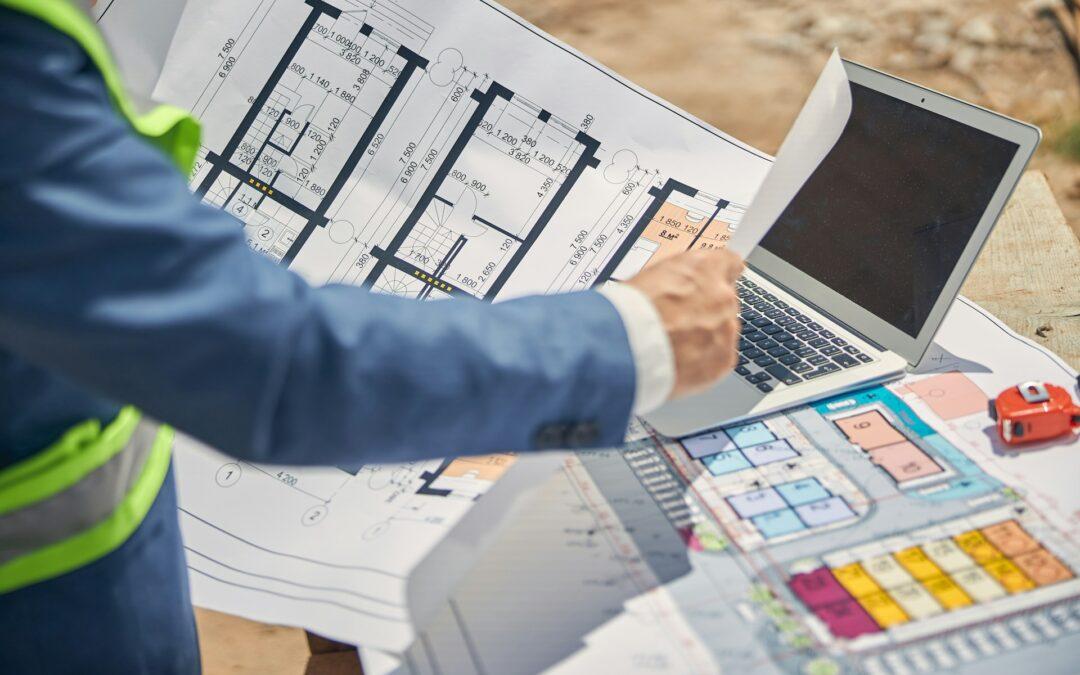
Building a custom home doesn’t happen overnight. It takes planning, patience, and a clear path to follow from the first sketch all the way to move-in day. Every step matters, and knowing what comes next can help homeowners feel more confident and relaxed throughout the process. When it comes to custom home construction in Milton, FL, the timeline often follows a seasonal rhythm. Spring is usually an ideal time to get started. The weather is mild, the ground is workable, and there’s enough daylight to keep jobs moving at a steady pace. Whether you’ve just picked out a lot or you’re finalizing your floor plan, it helps to know where things are headed before they begin.
Planning and Design: Laying the Groundwork
The first step in building a custom home starts with conversations. We meet with homeowners to talk about their ideas, what they need, and how they’d like their home to feel and function. These early talks set the tone for everything that follows. From room sizes to kitchen layouts and outdoor features, it’s all part of shaping the blueprint.
- We help organize ideas into a working plan, turning sketches and notes into something buildable.
- Homeowners pick finishes, materials, and design options, which can shape both timeline and cost.
- Decisions made early have a big impact, so we guide discussions to keep things moving while leaving room for changes if needed.
By the end of this phase, the design is locked in, and we’re ready to move forward. The clearer the plan, the smoother the rest of the build will be.
Permits, Prep Work, and Scheduling
Once the plan is set, we shift into getting the site ready. This part of the process doesn’t always look exciting, but it plays a big role in how quickly a project can move. Every city and county handles permitting a little differently, and in Florida’s coastal areas, we often need to pay close attention to things like elevation and drainage.
- Clearing the land, grading, and setting up utility access are all part of site prep.
- Soil tests and surveys may be needed to meet local rules or builder requirements.
- While permits are being processed, we work out the build timeline and lock in major milestones.
In Milton, we often deal with sandy soil and shifting water tables, so careful prep goes a long way in keeping the project on track once actual construction begins.
Construction Phase: From Foundation to Roof
This is where the home takes shape. After pouring the slab, we move through framing, roofing, and exterior wrap. Getting the house enclosed, what we call “dried in,” means the structure is safe from weather and ready for trades to come in and work indoors.
- Slab drying time and framing inspections can affect pacing, but we build in buffers.
- Crews adapt to local weather, especially during spring when rainstorms pass through quickly.
- Materials are protected, and crews move between indoor and outdoor tasks depending on the week.
Here in Milton, FL, we can usually frame steadily through spring and into early summer without too much disruption. Timing is always part of the plan, but flexibility helps us adjust when we need to without falling behind.
Inside the Finish Work: Systems, Walls, and Details
Once the roof and windows are in, most of the action moves indoors. This stage brings together the home’s systems, plumbing, electrical, HVAC, and closes up the walls. Progress becomes more visible with each visit.
- Pipes, wiring, and ducts go in first while the framing is still open.
- Then come insulation, drywall, flooring, cabinetry, and paint.
- Walkthroughs let homeowners check placement and finishes along the way.
This part of the project may feel slower because it involves so many layers, but it’s where all the details come together. The house starts to feel real. Trim, lighting, doors, and fixtures are what people notice first when they walk in, everything done here shapes that first impression.
Final Steps Before Move-In
As we reach the end of the build, we focus on finishing touch-ups and outdoor work. Landscaping is added, exterior lighting is installed, and driveways or sidewalks are set once all machinery is out of the way.
- Punch lists are created and reviewed to catch anything that needs fine-tuning.
- Final inspections are done to make sure everything meets code and is safe to occupy.
- A final walkthrough gives homeowners a chance to experience the full space before move-in.
Handing over the keys is a moment we look forward to just as much as the homeowners do. It’s not just about the structure, it’s about watching something imagined on paper turn into a real place to live.
The Local Difference With Coastal Heritage Builders
Coastal Heritage Builders is a family-owned, fully licensed and insured home builder with over 30 years of experience in the Milton, FL, area. Our team combines local knowledge, high-quality craftsmanship, and straightforward communication to move every custom home from plan to completion. We coordinate everything from initial design consultation to final punch list and can guide you through unique local requirements, such as soil conditions, flood zone standards, and permitting processes.
Turning a Plan Into a Home at Your Own Pace
Custom home construction in Milton, FL is a step-by-step process with a rhythm that follows both the weather and the needs of each homeowner. Every build moves a little differently, and that’s okay. What matters is staying informed, being willing to ask questions, and trusting the schedule as it unfolds. Starting in spring gives many builds a strong beginning, but clear goals and steady communication keep things running smoothly no matter the season.
Each stage, from the first pencil sketch to the last cabinet pull, builds toward something personal and lasting. Watching it come together is one of the most rewarding parts of the process, for us and for the families we build for.
Explore the possibilities for your dream home by browsing our custom home construction in Milton, FL. Our completed projects showcase a wide range of styles and the personal touches that matter most to owners throughout the area. At Coastal Heritage Builders, we begin every project by listening to your vision. Ready to move forward? Contact us today.
Blog
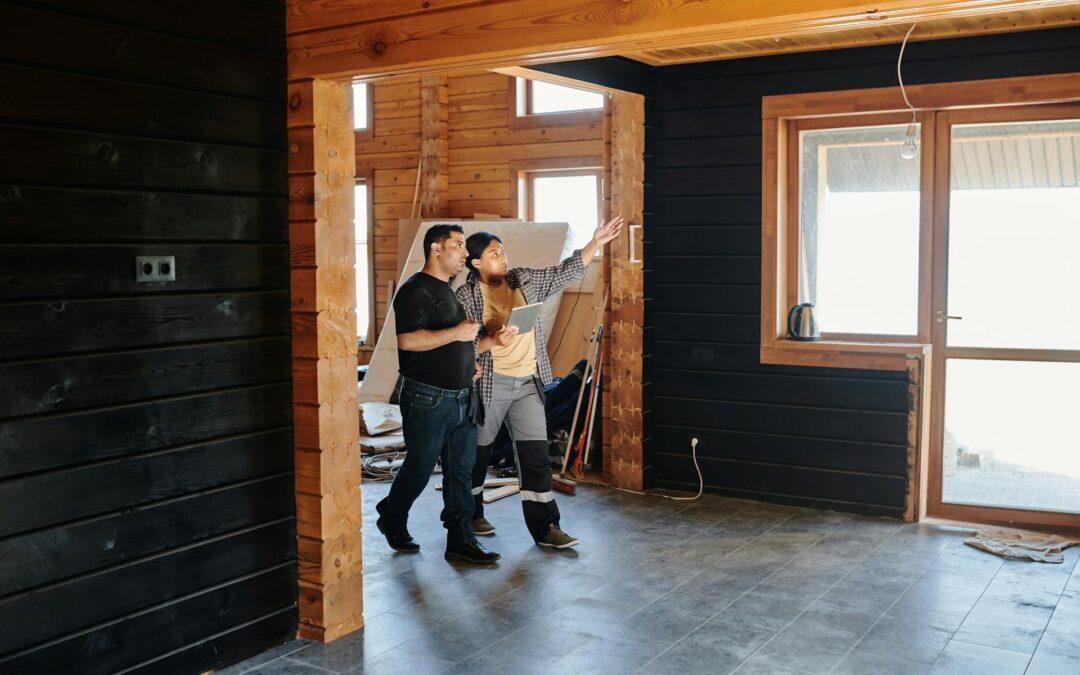
Spring in Fort Walton Beach doesn’t just bring longer days and warm breezes. It also brings heavy, humid air that can make a house feel stuffy or damp if it’s not ready for the season. As that Gulf moisture creeps in, it can cause wood to swell, paint to peel, and uncomfortable heat to settle indoors. That’s where a little planning can go a long way.
Home remodeling in Fort Walton Beach gives homeowners a good chance to get ahead of spring’s sticky weather. Think airflow, better materials, and smart updates to trouble spots. By focusing on how a home handles heat and moisture before it arrives, we can help it feel more comfortable and stay in better shape through the season.
Spotting Trouble Before Spring Hits
Most people can tell when their home feels off, even before the weather really warms up. A breeze that never seems to move through, a damp smell in the hallway, or paint bubbling by the edge of the windows, these little signs can mean moisture is creeping in.
- Older windows might leak air or trap condensation.
- Worn siding can let humid air sneak into the walls.
- Poor ventilation keeps hot air and trapped moisture from leaving the room.
When we spot these issues early, we can fix them before they turn into bigger problems, like mold behind drywall or warped floors. Remodeling gives us a chance to update these parts of the home before spring humidity hits full blast. It’s a smart way to protect what’s already built and keep things comfortable going forward.
Building for Better Airflow and Comfort
When air doesn’t move well inside a house, the whole place can start to feel sticky. That’s especially true during a Florida spring. Luckily, remodeling gives us a chance to improve airflow and make things feel breezier all over.
- Adding vents, ceiling fans, or fresh ductwork can help air move throughout the home.
- Widening doorways or opening up walls during a remodel can make a big difference in circulation.
- Shifting the layout of a room helps catch natural breezes and keep air from settling in hot corners.
Even small changes can add up to a cooler, drier feel inside. Proper airflow doesn’t just help with comfort, it keeps moisture from sitting too long, which helps the house hold up better through the season.
Swapping Out Materials That Don’t Handle Moisture Well
Not every material holds up under Florida heat and dampness. When spring rolls in, materials like carpet or untreated wood can start to show wear fast. Remodeling gives us the chance to switch those out for something that holds strong, even when the air feels like soup.
- Tile flooring and waterproof laminate often handle moisture far better than carpet.
- Treated wood or fiber-cement boards can last longer on walls and trim.
- Wall paints with moisture resistance prevent peeling and bubbling in humid rooms.
These updates don’t just look good, they help cut down on future problems and keep spring weather from wearing the house down.
Tackling Mold-Prone Spots in the Home
Some parts of the house are more likely to trap steam and heat. Think laundry rooms, bathrooms, and kitchens. If they’re not built to handle moisture, they can quickly become problem areas once spring humidity sets in.
- Updating these rooms with proper exhaust fans helps pull steam outside.
- Sealing counters and tile gaps can keep water from seeping into walls or flooring.
- Reworking layouts to allow better light and airflow reduces the chance of trapped dampness.
Remodeling gives us the chance to catch these tricky spots and make them safer and easier to care for. It’s not about major changes, it’s about smart ones.
Planning Outdoor Spaces That Can Handle Humidity
Spring is a great time to start using porches or backyard patios again, but those spots take a beating from the weather too. Outdoor features that aren’t built for Florida’s wet season can break down fast under all that spring rain and salty air.
- Covered seating areas help protect furniture and hold up better in wet months.
- Screened patios let people enjoy breezes without the bugs.
- Drainage-focused landscaping can keep yard water from creeping toward the house.
Outdoor remodeling doesn’t just add space to enjoy, it creates a buffer between weather and the house itself. When outdoor areas work well, the whole home feels more ready for the season.
Local Remodeling Expertise Makes the Difference
Coastal Heritage Builders is a family-owned, fully licensed and insured contractor serving Fort Walton Beach and neighboring Gulf Coast communities since 1992. Our experienced team specializes in remodeling projects that focus on energy efficiency, high-quality materials, and building solutions that hold up in Florida’s humid climate. We can recommend moisture-resistant products, plan layouts that support natural airflow, and guide you through every upgrade from permits to punch lists.
Ready for the Season Ahead
Smart home remodeling in Fort Walton Beach helps set the stage for a more relaxed spring. By catching problems early, improving airflow, and swapping out weaker materials, we make sure the house stays cooler, drier, and more comfortable as the weather shifts.
A little planning ahead now makes it easier to enjoy the season without worrying about wet corners, stuffy rooms, or repairs. Whether the changes are big or small, they all work together to help the home breathe better and hold up well for many springs to come.
Spring is the perfect time to think about updates that can make your house feel drier, cooler, and more durable for the coming wet season. We’ve completed a wide range of upgrades designed to improve comfort and resilience in Florida homes. To gather ideas or see what’s possible with home remodeling in Fort Walton Beach, take a look at our completed projects. Reach out to Coastal Heritage Builders to start planning the right changes for your home.
Blog
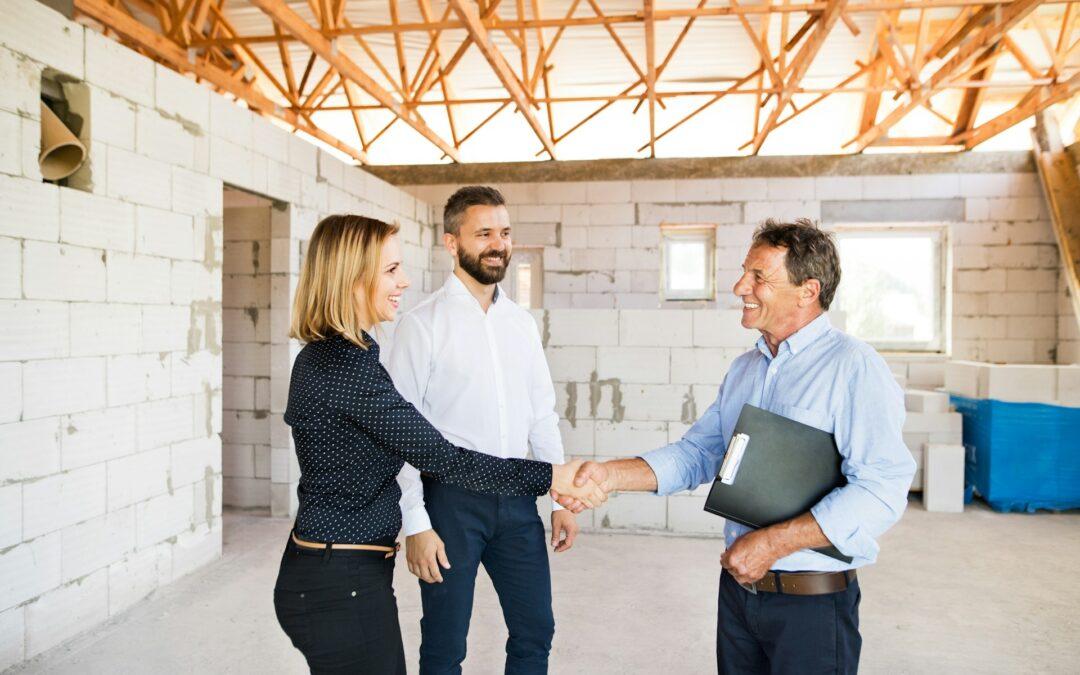
Planning to build a new home can bring on a mix of excitement and nervous energy. The ideas are flowing, the dreams are big, and the thought of getting it all started can feel just a bit overwhelming. One of the best first steps in this process is meeting with a custom home builder in Gulf Breeze. It’s a chance to ask questions, share your vision, and make sure you’re heading in the right direction from the start.
The more prepared you are for that first meeting, the easier the conversation will be. You don’t need to show up with a full blueprint or a list of technical terms. Just knowing what you like and what kind of home fits your life makes a big difference.
Know What You Want in a Home
You don’t need to have every detail nailed down, but coming in with a basic idea of what you need helps move things along. Think about your daily routine and how your space can support it.
- How many bedrooms should your home have?
- Do you want a one-story layout or prefer having stairs?
- Are open floor plans more your style, or do you like separate rooms for different tasks?
- Is a home office, game room, or guest suite something you’d like to include?
- Even details like a large laundry area or walk-in pantry are useful to note.
It’s fine if things change along the way. But having these early preferences helps direct your builder’s advice and gives the design conversation a solid base.
Think About Your Lot and Location
The location of your lot plays a big role in how your home takes shape. Whether you already own land or still need help finding the right spot, we’ll likely talk through what kind of setting you have in mind.
- You might want to think about neighborhoods, traffic flow, or nearby water or tree cover. All of these can influence your home’s design.
- Sunlight patterns and breezes matter, especially if you’re hoping to enjoy outdoor living spaces like screened porches, patios, or decks.
- Builders may ask whether you’ve already purchased a lot or still need help with that part. Knowing up front helps with timing and planning.
Thinking through this ahead of time helps us understand how your home will fit into its environment in places like Walton Beach or Milton, where the natural setting can be a big part of the appeal.
Gather Ideas That Show Your Style
Coming to the table with visual ideas makes it easier to describe what you like. You don’t need design terms or technical knowledge. Bring what speaks to you.
- Have a collection of photos you’ve saved, sketches you’ve drawn, or even a Pinterest board? Great. Those are perfect.
- Think about colors and the kind of feel you want. Do you picture your home as modern and clean, coastal and bright, or maybe warm and rustic?
- If you’ve seen homes or materials you love, like a certain wood floor or kitchen layout, those are helpful to share.
Even if your tastes don’t all match yet, that’s okay. These clues start shaping the direction of the home and give us something real to work with.
Be Ready to Talk About Timing
Spring is often a good season for starting custom home projects in Gulf Breeze. The weather is favorable, and many people are ready to get moving after the slower winter months. Knowing when you’d like to move in or when you hope construction could start is helpful for planning.
We may ask things like:
- Do you have a target month you’d like to be in your new home?
- Are there any upcoming life events we should know about, like a new baby or a job relocation?
- How flexible are you if things shift due to weather or material deliveries?
Being open and honest about your schedule early allows the planning to be more realistic. It also helps us work around seasonal timing and keep communication clear as things move forward.
Questions You Can Expect (And Ask)
Our first meeting is a two-way street. We’ll be learning about you, but it’s also a time for you to learn about us. Don’t worry if you’ve never built a home before. No question is too simple.
Here are a few common questions we might ask:
- What size home do you think fits your needs?
- How many people will live there each day, and how do you plan to use the space?
- Do you have certain routines or hobbies that might impact the layout?
You might want to ask us:
- What’s the general process from this first meeting to the start of construction?
- How do changes get handled once things begin?
- Who will be the main contact throughout the project?
Starting an open dialogue early builds trust. Even simple questions can save time later on and avoid confusion. It lets all of us feel like we’re working together on the same goal.
Local Experience Sets the Tone
Coastal Heritage Builders is a family-owned builder established in 1992 and specializes in custom home building for Gulf Breeze and the Florida Gulf Coast. Our team is fully licensed and insured and brings decades of local experience navigating zoning rules, lot selection, city permits, and coastal code compliance unique to this region. We work closely with clients from the first meeting onward, helping you understand timelines, site options, and how to make your vision come to life while fitting your budget and needs.
Starting Off with Confidence
Meeting with a builder for the first time can feel like a big moment, but it doesn’t have to be stressful. When you’ve thought through your priorities, gathered a few ideas, and have a general sense of your timeline, that first conversation becomes productive and clear.
Our goal is always to help you feel ready, not rushed. We talk through your wants, ask the right questions, and make sure your ideas are heard. Starting strong now sets the stage for a smoother build later on. It’s one of the best things you can do to feel confident about the steps ahead.
Looking at what others have achieved in the Gulf Breeze area can be a great starting point as you picture your ideal home. Our experience spans a variety of styles and layouts, each unique to the families we serve. Viewing a selection of our past builds will give you inspiration and a better idea of what to bring to your first meeting with a custom home builder in Gulf Breeze. At Coastal Heritage Builders, we’re ready to listen, offer guidance, and help you move forward. Let’s talk about what’s possible.
Blog
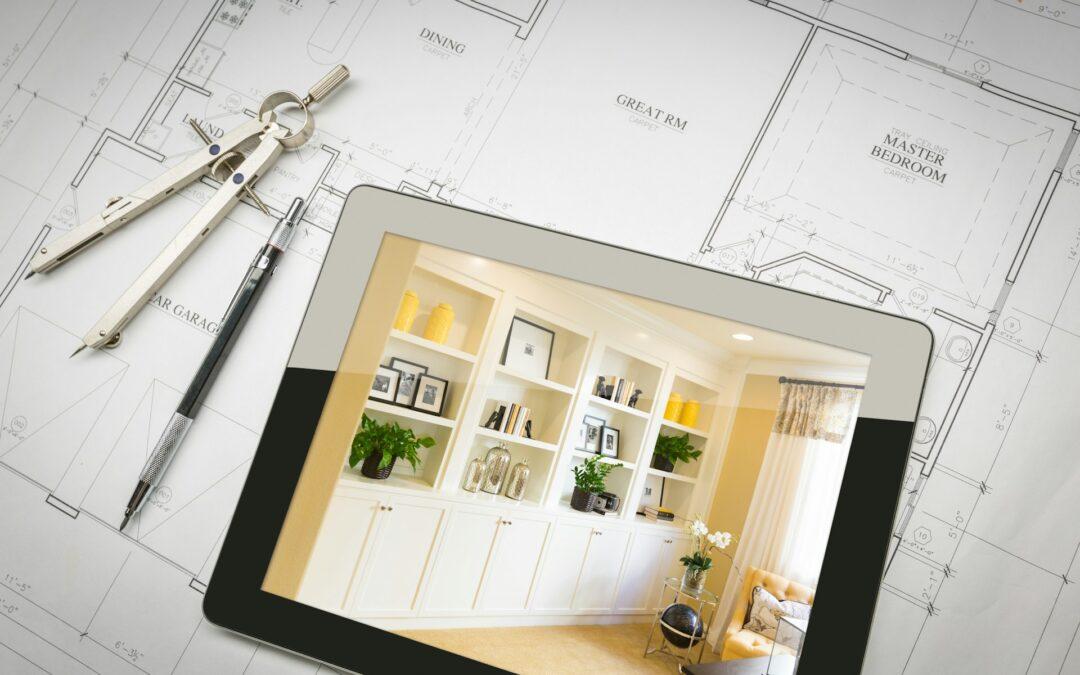
Spring is one of the best times to start building along the Gulf Coast. The weather stays steady, the days get longer, and early planning means crews are ready to go when the ground is. If you’re looking at custom homes in Milton, FL, getting a head start before those warm months settle in can smooth out the whole process. From prepping the land to picking your plan, a little upfront work can save time once construction starts. And because spring tends to fill up quickly for builders and inspectors, the earlier you plan, the better your timeline will be.
Whether your future home is already sketched out or you’re still thinking through plans, there’s a lot to think about before breaking ground. This guide walks through the big steps to help you stay on track and avoid common slowdowns. It’s all about setting up for success when the season hits its stride.
Getting Your Land and Lot Ready
Once you’ve picked your property, the next step is making sure the land is ready to build. That means checking a few big boxes before anything else moves forward.
- Walk the site to look for brush or old debris that needs clearing before equipment comes through.
- Check your property lines to avoid surprises later. It’s easy to assume boundaries, but fence lines and markers can be off.
- Take a close look at how water moves through your lot. Good drainage helps protect your slab and keeps future landscaping from fighting runoff.
Depending on your location inside Milton, you might need a soil test before finalizing the foundation design. Not every property requires one right away, but it’s something to talk about during your planning stages. You’ll also want to look into setback rules and utility access. Knowing where your sewer, electric, and water lines can go keeps your layout from running into issues down the road.
Choosing a Floor Plan That Matches Your Needs
When it comes to the layout of your home, there are plenty of directions to go. Some families start from scratch, others tweak established designs. Either way, the most useful plans are the ones that match how you live every day.
- Think about your daily routine. Where does everyone gather? How many bedrooms actually get used?
- Decide what matters most, open kitchens, bonus rooms, a separate entryway for muddy shoes, or maybe a big back porch.
- Leave space to grow. Maybe you don’t need a home office or guest room right now, but plans that offer that flexibility can save you a big remodel later.
We always suggest thinking ten years ahead, not just two. That doesn’t mean building for every “what if,” but it does mean setting up something that still fits if life shifts a little.
Lining Up Permits, Inspections, and Timeline Expectations
Spring is a popular time to start home builds in Florida, which can slow down certain steps if you wait too long. Permits, plan reviews, and scheduled inspections can back up once the season peaks.
- Begin permit applications early, especially if you’re customizing your floor plan. Every revision adds time.
- Be ready for unpredictable weather. Heavy spring rains can sometimes delay site work, so build in space for those hiccups.
- Touch base with everyone involved. That includes survey crews, engineers, inspectors, and anyone else tied to your build process.
Having a clear view of your timeline helps everyone work better together. It also makes it easier to spot small delays before they stretch into bigger ones.
Scheduling Your Trades and Staying Flexible
Once your plans are approved and the permit is in hand, you’ll need to get your trades, electricians, plumbers, HVAC crews lined up. These folks all touch parts of your home that have to happen in a certain order, so timing matters.
- Book early. Many trades fill their spring schedules months in advance.
- Give some wiggle room for weather or materials. It’s not always about big delays, sometimes it’s a missing part or a half-day rain that shifts the schedule.
- Talk through your calendar with your builder or project manager to see what needs to happen first and what can wait.
Spring is a season with a lot of moving parts. The more flexible you are within a clear plan, the faster things can shift back into place when the unexpected shows up.
Checking Off Pre-Construction Details
Before you ever see that first wall go up, there’s a long list of small choices that keep the job from slowing down once it starts. This is especially true in spring, when suppliers are busy and some options might be backordered.
- Go over your budget and figure out priorities. If a finish is important to you, lock it in early.
- Visit local showrooms to pick out products ahead of schedule. The more you can decide now, the smoother things move later.
- Confirm any structural options or framing choices so materials can be ordered on time.
Waiting until the last minute to pick things like tile or cabinetry can push out framing or drywall, which then backs up everything else. A bit of early decision-making gives you far more control over how your build moves forward.
How Our Custom Home Process Works in Milton
Coastal Heritage Builders, as a family-owned, fully licensed, and insured local builder, specializes in spring home builds for Gulf Coast communities. Our new custom home process includes close collaboration from planning through completion, coordinating each step and managing the timing of trades and inspections. We are experienced with the Milton permitting process and site preparation, and our team is known for delivering personalized homes built to handle Florida weather and local site needs.
Set Up for a Smooth Spring Start
Planning custom homes in Milton, FL, for a spring build isn’t just about the work done on-site. It’s what you do in advance that keeps everything flowing once the crews arrive. Favorable weather, lighter ground moisture, and more daylight all help construction move faster, especially in the early stages.
Getting a jump on planning now means less stress later. With your land prepped, your plan figured out, and your timeline set, you’ve already handled the tough stuff before most people are even out of winter mode. And when the first truck rolls onto your property, you’re one step closer to seeing your home take shape.
Planning ahead for spring is the perfect time to find inspiration for your next project. You can view our past work and browse examples of custom homes in Milton, FL to discover styles that fit your vision and lifestyle. Whether you’re starting from scratch or customizing an existing design, Coastal Heritage Builders is here to guide you every step of the way. Contact us today to discuss your ideas or get answers to your questions.
Blog
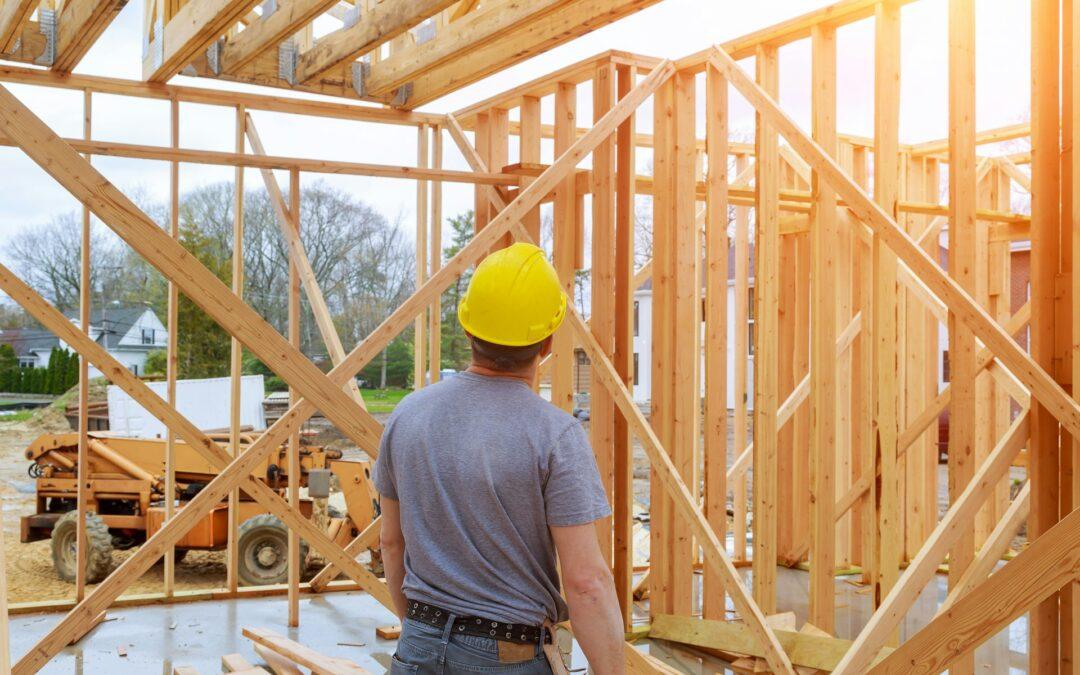
A green building contractor looks at more than walls and windows. We think about where the home sits, what goes into it, and how it works with the world around it. That’s especially true here along the Gulf Coast, where nature plays a big part in daily life. With early spring bringing longer days and mild weather across places like Fort Walton Beach and Milton, Florida, it’s the perfect time to plan ahead and get a home project moving.
Working with local features is good for the environment and helps create homes that work better over time. Here are some of the ways experienced builders lean into local details when building homes that are meant to last. From the shape of the land to the plants right outside your door, building green means thinking close to home.
Building Homes That Fit the Land
No two building lots are the same. That’s why we always start by walking the land and seeing what nature has to say. Florida’s coastal areas have sandy soil, scattered trees, and plenty of sun, details that can all shape how a home should be placed.
- A sloped lot might need smart grading so water doesn’t gather near the foundation.
- The angle of the sun can affect where windows go so the home stays cooler.
- Natural breezes coming off the water can guide how we place porches and windows for airflow.
Instead of fighting the land, we work with it. That makes it easier to avoid future water problems, protect native trees, and shape outdoor areas that feel like a natural part of the yard. The land tells us what works best. We just have to listen.
Using Regional Materials
When we use materials from nearby, we cut down on the time and energy needed to bring them in. That’s one benefit. But local materials also tend to hold up better against local weather.
- Florida-friendly woods like cypress or southern pine handle humidity well and keep their shape.
- Some regional stone types have a natural look that blends into coastal designs.
- Working with local suppliers often means fewer delays and steadier options for finish selections.
Going local helps keep jobs on track and fits the look of the area. When your home shares the same elements found in nearby homes and natural features, it feels like it belongs.
Designing for Local Climate Conditions
Florida doesn’t freeze, but it does get hot, humid, and windy. A green building contractor will plan around those challenges instead of building something that needs constant upkeep.
- A higher roof pitch helps direct the heavy summer rains away from the home.
- Wide overhangs shade windows and protect siding from long sun exposure.
- Passive cooling designs, like cross-breezes between rooms, help reduce the need for air conditioning.
Humidity can be hard on homes that aren’t built to handle it. That’s why we use insulation that holds its shape and moisture barriers that keep walls dry. When we design with the weather in mind, the home runs smoother and stays comfortable without working hard to stay that way.
Supporting Wildlife and Local Plant Life
A smart build doesn’t clear more than it has to. Every tree or plant we can keep in place adds something to the land. These choices aren’t just about looks; they help the environment hold together.
- Native plants need less water and can usually handle the salty air off the Gulf.
- Shady trees left in place keep yards cooler and help reduce runoff.
- Thoughtful lot design means outdoor spaces feel tucked into nature instead of stamped on top of it.
When we plan outdoor areas, we try to leave space for small animals, birds, or pollinators to return. A home is part of a bigger spot on the map. We do our best not to take more than we need.
Working With Community Rules and Habits
Each local area has its own way of doing things, and that includes building rules. From Milton to Fort Walton Beach, we’ve seen how helpful it is to be familiar with local processes before the first board goes up.
- Zoning rules can shape where we build, how high the home can be, and how close it sits to other buildings.
- Utility setups are not always the same. In some areas, certain power or sewer lines run in tighter spots that need early planning.
- Knowing the habits of local inspectors helps us stay ahead of schedule.
We study what’s already worked well nearby, what types of homes passed inspection, kept their strength in storms, and aged with fewer problems. It’s part of building with care and experience.
Sustainable Gulf Coast Solutions From Coastal Heritage Builders
At Coastal Heritage Builders, our team focuses on delivering energy-efficient, durable custom homes for Florida’s Gulf Coast communities. With over 30 years of proven expertise, we incorporate moisture-resistant features, local building codes, and personalized designs suited for the region’s unique climate, land, and wildlife. We are a fully licensed and insured family-owned company trusted by clients seeking sustainable and resilient homes in the Fort Walton Beach and Milton area.
Building Smarter by Staying Local
Working with local features means looking at every part of the build, what we use, how we shape it, and where we place it, and letting the local area guide our decisions.
A green building contractor stays tuned into all of that. We don’t believe in copy-paste home plans that ignore what’s right for the land they’re on. By paying attention to what nature already offers and how the weather acts through the seasons, we build homes that feel like they truly belong.
Spring is a great time to think locally and plan well. The ground is steady, the weather is warming up, and the chance to work with the land instead of against it can make all the difference. Along the Gulf Coast, that kind of thinking isn’t just smart, it sets the home up to thrive.
Building a home in Fort Walton Beach or Milton gives you the chance to create something special that truly connects with the local land. As an experienced green building contractor, Coastal Heritage Builders understands the unique soil, climate, and natural surroundings of the area and uses that knowledge to shape every decision from the foundation up. Let’s start a conversation about your vision and see how we can make your dream home a reality, contact us today to begin planning.
Recent Comments