Blog
Building a new home is exciting, but it’s a big job that comes with a lot of decisions. If you’re working with a new home builder in Fort Walton Beach, it helps to know what happens at each step. That way, you’ll feel more confident about what’s next and how your ideas will take shape. From the first talk with the builder to the final walk-through, there’s a lot to think about, but it doesn’t have to feel overwhelming.
Spring is a good season to get started here in Florida. The weather is usually dry enough to tackle outdoor work, and it comes before the heavier storms of summer. This guide walks through the key steps in the home-building process, so you’ll know what to expect and when.
Getting Started with Planning and Lot Choice
The first step is getting clear on how you want to live in your new space. We begin by sitting down to talk through how you see daily life in your home, what features matter most to you, and what kind of budget makes sense.
Then comes choosing the right lot. This part is more important than it may seem at first. Here’s what we focus on:
- Location: Some areas offer more privacy, while others are closer to schools or the water.
- Elevation: In coastal areas like Fort Walton Beach or Milton, elevation can help with drainage and keep your home safer from flooding.
- Lot size and shape: These affect how much yard space you’ll have and how the home fits on the land.
We also check for neighborhood rules or city guidelines that might shape your design options. Some communities have layout or exterior rules that must be followed before building can begin.
Coastal Heritage Builders brings decades of experience in lot selection, site-specific design, and neighborhood compliance, ensuring every home is well-matched to its setting.
Designing the Home to Fit the Lot and Your Life
Once the lot is picked, the design comes into focus. The floor plan should work well with your everyday needs. Think about how you move through a space, where you want bedrooms, how open the kitchen should be, and how much storage you’ll need.
We work with you and the design team to get everything placed just right. Details we look at include:
- Making the most of sunlight: South-facing windows can bring more natural light inside.
- Using breezes to cool the home: In warm Florida months, airflow can make a big difference.
- Picking spots for your views: If your lot backs up to trees or water, we try to build around that.
Getting these early choices right helps avoid unexpected changes later during construction.
Coastal Heritage Builders takes a custom approach to design, working closely with every client to optimize layout for comfort, energy efficiency, and Florida’s climate.
Permits, Scheduling, and Site Prep Basics
Before digging starts, we handle the permits and make sure everything is approved. This can include checks from the local building office and other offices depending on the site’s needs.
Next comes site prep. Some areas need trees or brush cleared. If the land is lower, we may raise parts of it using fill dirt to help with stormwater flow. Grading is often needed to angle the land in ways that guide rain away from the foundation.
Spring weather plays a big role in keeping things on track. Dry days mean we can move equipment around more easily and avoid delays caused by muddy or flooded areas. Florida’s summer heat and storms come quickly, so we often plan to move faster in the early season to keep the schedule smooth.
Construction Milestones to Watch For
Once permits and prep are done, it’s time to build. This stage follows a steady line of steps, and we’ll keep you updated as each one finishes.
Here are the big milestones:
- Foundation is poured and cured
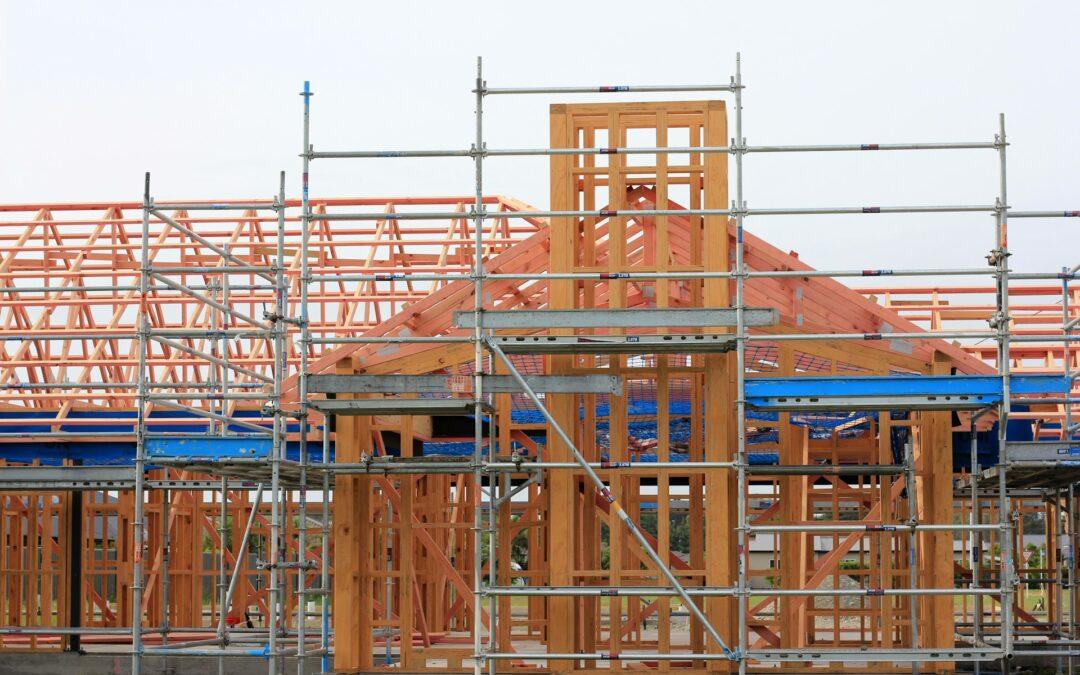
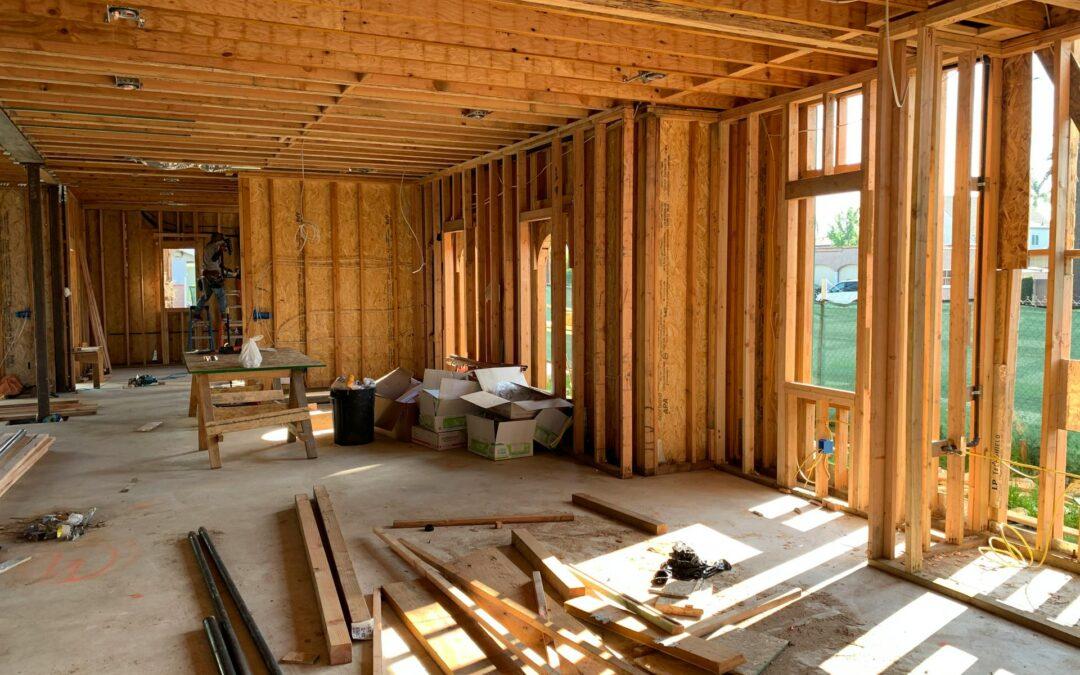
- Framing goes up to form walls, floors, and the roof
- Roofing and door/window openings are added to “dry in” the house
- Electrical and plumbing systems go inside the walls
- HVAC ductwork and vents are placed before insulation
- Walls get covered with drywall and finishes begin
At different points, we’ll walk through together so you can see how the home is taking shape. Each step builds on the one before, so staying in touch during construction helps make sure nothing important gets missed.
Making Final Choices and Getting Ready to Move In
Near the end of the build, you’ll make some final decisions. These include the look and feel of your new space. Fixtures, flooring, cabinets, and lighting, this is where your home begins to show your taste.
Before your move-in date, we’ll do a walk-through with you. This is your chance to look everything over, ask for small changes, and point out anything needing an extra touch.
After that, the home gets a final clean-up and safety check. We inspect the things that matter most, like working doors and windows, power, plumbing, and overall finish quality. Once everything checks out, we make sure the home is ready for you to enjoy.
A Home-Building Experience You Can Count On
When it comes to building a custom home, having a clear path for each step makes a big difference. We’ve found that when everyone knows what comes next, it takes the pressure off and keeps the process moving in the right direction. There will always be questions along the way, but staying connected helps turn ideas into a home that feels right for day-to-day living.
In Fort Walton Beach, spring is one of the best times to get started. The weather gives us more steady days to prepare the land, pour the foundation, and move into the major building work. A thoughtfully planned, well-timed home build helps turn construction into something more than a project. It becomes a space where beach light, warm evenings, and daily life all fit together naturally.
Planning your future home starts with inspiration shaped by your location and lifestyle. Check out some of our recent work as a new home builder in Fort Walton Beach. At Coastal Heritage Builders, we take pride in building homes that fit both the land and the people who will live there. Ready to talk about your vision? Give us a call and let’s start planning together.
Blog
When you’re working with a new home builder in Milton, FL, one of the first things we think about is how the home fits into the land. In coastal towns like Milton, tree lines can shape a lot more than just the view from the backyard. They affect how your home feels day to day, from the direction sunlight pours in to the amount of shade on your patio.
Spring is the right time to think about this. With longer days and warmer weather, most families start dreaming about time outside. Tree lines often play a quiet but steady role in how much privacy you’ll enjoy and how comfortable your outdoor spaces will be once summer kicks in.
Why Tree Lines Matter in Florida Home Building
Trees do more than decorate a yard. In Florida, they help with some of the most common home-building concerns. Around this time of year, as the season warms up, we look at how trees can work for the lot rather than against it.
- Trees can block strong spring winds or lighten the impact around exposed parts of the yard. This creates a better outdoor spot for gathering or relaxing.
- Natural tree lines act as a privacy buffer without needing tall fences. If your neighbor’s home sits nearby, the right line of trees makes a difference.
- On sloped or lower land, tree roots can help with water runoff. Along the Gulf Coast, it’s normal to plan for sudden spring rain or summertime storms. Some well-placed trees can help slow that water before it has a chance to pool.
We pay close attention to what kind of trees are already on the lot and how they fit with the space. Some trees bring more year-round coverage, while others give light shade and airflow. Each one can help make the home more comfortable during Florida’s hottest months.
Placement and Sunlight: Getting the Layout Right
The way a home sits can change how it feels. Tree lines help guide that decision. We take note of where the sun moves, especially on warm spring mornings or hot summer afternoons.
- Rooms facing west can get strong light in the afternoon, so we often use existing trees to help cool that side of the house.
- Backyard patios and porches feel much better with a tree screen that lets in filtered light instead of full exposure.
- Window placement and tree coverage need to work together. A great view still needs balance so a room doesn’t overheat midday.
Milton’s tree cover allows for a more thoughtful layout. It might mean spacing the home slightly forward to save a shady spot in the back. Or it could mean shifting main windows to catch better sunlight. Either way, it starts by looking at the trees already in place and considering how they’ll support the space after you move in.
Building Around the Trees
New home builders in Milton, FL, often work with tree lines instead of clearing them. It takes careful planning, but it’s worth it. Keeping native trees can make a new build feel established before the first plant is put in the ground.
- During site prep, we often flag trees that are healthy and in good shape for future use. These might later form a hedge or give daytime shade.
- Instead of cutting everything, we map out which trees can stay and how the home can sit without disturbing them.
- Saved trees often form the base of the yard’s look. They can offer privacy or shape outdoor spaces like fire pits, swing spots, or quiet corners.
Leaving trees when we can isn’t just a way to save on future planting. It adds instant character and ties the home to the land in a simple, natural way. Coastal Heritage Builders specializes in protecting and integrating native trees as part of our site-specific design approach for custom homes.
Long-Term Value and Storm Season Planning
Spring storms serve as a reminder of just how important tree planning can be. The Gulf Coast sees its share of wind and heavy rain. We give this step extra thought during the build to help support the home long after it’s finished.
- Strong tree roots help hold soil, especially in sandy parts of Milton and neighboring areas.
- We check which trees are close to the home’s future walls or roofline. Sometimes that means making changes so old-growth trees don’t press too close during a storm season.
- Big limbs over roofs can lead to trouble, so we walk the lot and see which trees can stay and which need trimming or adjusting.
Even when trees are planned for shade or privacy, we keep storm season top of mind. A good layout should keep tall trees far enough from the main structure while still letting them do their job in the yard. As a licensed and insured local company, Coastal Heritage Builders has experience mitigating wind risks and site drainage for new homes in Milton, FL.
Why Tree Planning Sets Up Lasting Comfort
Planning around tree lines might not be the first thing homeowners think of, but it shapes how the yard feels, how cool the home stays, and how much privacy you get from day one. It’s one of those quiet parts of construction that brings a lot of value when done right.
At Coastal Heritage Builders, we start every project with careful site analysis and a focus on long-term livability for every season in Milton, Florida. Integrating natural tree lines is a core part of our personalized planning process, helping every home align with what the land and the homeowner need.
When you’re considering building a home in Milton, Florida, the trees on your lot can help guide your plans. We always start by looking at what nature provides, shaping layouts and comfort to fit your property’s unique features. See how this approach comes together by viewing our projects as a new home builder in Milton, FL. Every project we complete is a reflection of the land itself. Talk with Coastal Heritage Builders to discuss what will work best for your future home.
Blog
Spring in Gulf Breeze means more sunlight, warm breezes off the water, and a reason to open the windows and step outside. It’s the time of year when homes and routines start to feel lighter. For those thinking about new construction or design changes, this season brings the perfect chance to focus on comfort, airflow, and outdoor living. A bespoke home builder in Gulf Breeze can help shape homes that feel good not just season to season, but day to day. From subtle updates to bigger choices, spring is a great time to think through what features actually make a house feel like home.
Outdoor Living That Feels Like Part of the House
In spring, life shifts outdoors. The sun stays up later, the breeze coming off the water is warm, and dinners often move outside. That’s why building in outdoor spaces that work with the home, not just beside it, is something we focus on often.
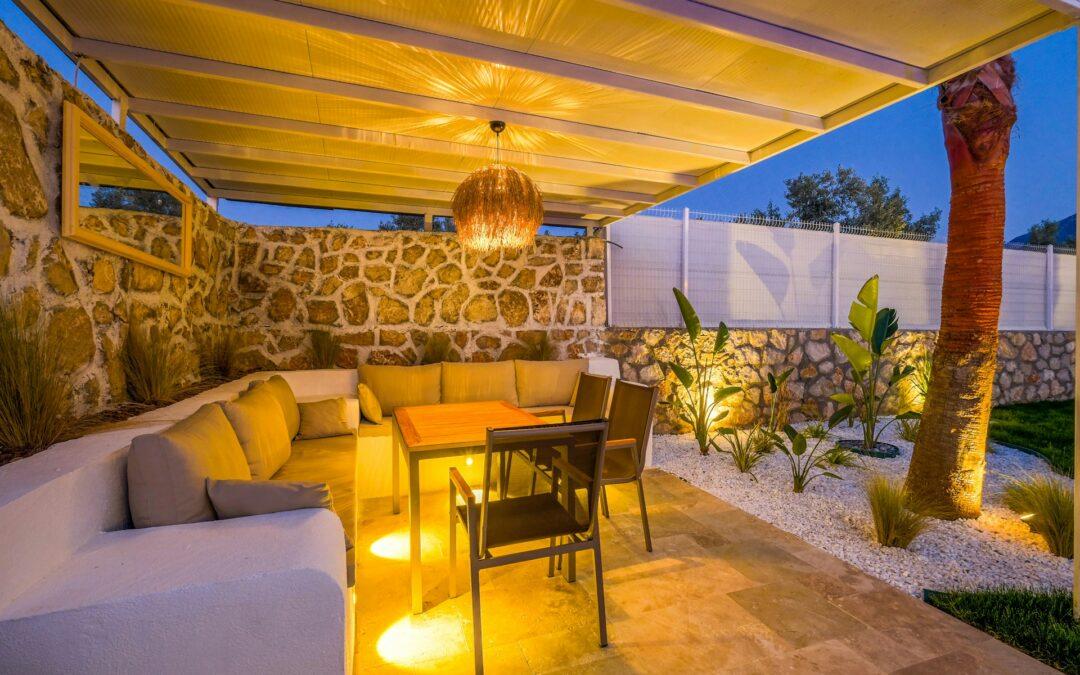
- Covered patios help block direct sun while letting you sit outside any time of day. Screened porches can keep bugs out, especially in the early evening, without blocking the view.
- Big folding doors or sliding glass walls connect the inside to the outside. When they’re open, it feels like one big space you can move through freely.
- Outdoor kitchens make weekend grilling or weekday meals quicker and easier. Built-in grills, prep counters, or sinks mean fewer trips back inside.
When you have outdoor areas that feel just as finished and thoughtful as the inside of the house, it becomes easier to enjoy them often. And when spring hits in Florida, people want to be outside as much as possible.
Natural Light and Smart Window Placement
Spring sunshine is one of the best parts of the season, but it needs to be managed well. We think through how and where sunlight moves through a home all day, not just how it looks in the morning.
- Placing windows on the east or west sides of the home captures the best light, from the start of the day or in the late afternoon when the weather cools off.
- Adding transom windows or floor-to-ceiling glass can brighten a space without making it hot. These work especially well in areas like hallways or dining rooms, where natural light makes the space feel more open.
- Choosing the right glass matters too. You want sunlight, not heat buildup or faded furniture. We look for window options that give light but block UV rays.
Letting in the right kind of light makes a home feel alive and connected to the outdoors, especially in a season when the view outside is green and growing.
Seasonal Comfort Built into Every Layer
Spring in Gulf Breeze can be beautiful, but it brings its own challenges: rising humidity, warm afternoons, and cool evenings. That’s why comfort has to be built in from the ground up, not just through furniture or decor.
- Good ventilation and well-placed fans help move fresh air through the home and keep it from feeling stuffy. This makes opening the windows an actual option, not just a nice thought.
- Building material choices matter more than people think. The right ones resist swelling and moisture during days when the air feels heavier.
- Heating and cooling systems should switch easily so the home stays comfortable even when the temperature shifts quickly, which is common in spring.
Instead of adjusting to the weather, we build homes that adapt to it. Comfort shouldn’t change just because the season does. Coastal Heritage Builders uses proven construction techniques and high-quality materials specifically selected for Florida’s changing weather and humidity.
Landscaping That Matches Spring in Gulf Breeze
In Florida, spring shows up early. Grass starts to grow, trees fill out, and outdoor chores pick up again. But smart landscaping choices right from the start can make the whole yard easier to manage during this time of year.
- Picking trees and shrubs that bloom early and stay manageable helps the yard look inviting without lots of daily upkeep.
- Installing drainage systems that work with Gulf Coast soil helps avoid soggy spots or erosion, especially after a heavy rain.
- Outdoor lighting placed low to the ground or near gathering areas adds safety without too much brightness. It also helps the yard feel comfortable longer into the evening.
When the yard works with spring rhythms, it becomes a place that looks good, works well, and doesn’t take over your weekend.
Storage Spots That Keep Your Outdoor Gear Handy
Spring means more time outdoors, which usually means more gear too. From beach chairs to garden tools, all this stuff needs a place to go. Building in easy-to-use storage from the beginning keeps it from becoming a mess later.
- Mudrooms or side garages with hooks, shelves, or drop spots help handle shoes, bags, wet towels, or sports gear.
- Pool closets or cabinets near patios make it easy to grab what you need without dragging it through the house.
- Entryway drop zones with benches or cubby spaces remove clutter before it spreads through the house.
When it’s simple to keep things put away, we’re more likely to enjoy the season instead of tidying up after it.
Crafted for Spring by a Local Builder
A custom home that works well in spring isn’t about chasing trends. It’s about planning ahead so each season feels easier to live in, not harder. In Gulf Breeze, that often means spaces that stay open when the weather’s warm, dry when the rains come, and comfortable when the humidity kicks in.
At Coastal Heritage Builders, our custom building process emphasizes collaboration, personalization, and long-term livability. We have over 30 years of local experience serving Gulf Breeze and other Gulf Coast communities with homes that balance indoor comfort and outdoor enjoyment.
Thinking about finding your next home in Gulf Breeze or nearby areas like Walton Beach or Milton? Spring is the perfect time to explore fresh ideas, from maximizing natural light to creating inviting open-air patios. Early design choices can truly shape your living experience. See how a bespoke home builder in Gulf Breeze has already transformed homes along the coast. At Coastal Heritage Builders, we’re ready to help you discover the features that fit your lifestyle best. Reach out to us when you’re ready to take the next step.
Blog
Starting a new home build is exciting, but there’s more to it than picking out paint colors and floorplans. In a place like Fort Walton Beach, the land and climate come with their own set of challenges. That’s why having the right builder matters more than many people think.
A new construction home builder in Fort Walton Beach does more than just manage workers. We guide the whole process, from early planning to move-in day. We help sort out permits, plan timelines, and handle the everyday details that most homeowners don’t want to think about. Building a house is a big deal, and we make sure nothing important slips through the cracks.
What a Home Builder Actually Does
The builder’s role starts before the first shovel hits the ground. Once the design plans are drawn up, we step in to handle the hands-on work that keeps a build moving.
- We organize the construction crew, set timelines, and make sure each task happens in the right order. This means keeping electricians, plumbers, framers, and others on schedule so there are no unnecessary stalls.
- We guide the permit and inspection process. Every town has rules, and most neighborhoods near the coast have extra ones related to flooding, wind, or elevation. We make sure the site follows those rules before anything gets built.
- We stay on-site to keep daily progress on track. Problems don’t usually show up on paper. They show up during framing, pouring, or wiring. That’s why we stay involved from the first dig to the final walkthrough.
Being there from start to finish means we catch issues early and help avoid hold-ups that could delay the project. Our job is to know what comes next and get it ready before the crew needs it.
How Builders Prepare for Local Conditions in Fort Walton Beach
Every build location has its own personality. In Fort Walton Beach, weather and soil shape how we build more than people realize.
- Sandy soil looks nice at the beach, but it’s not always great for holding foundations in place. We plan for this by testing the soil and choosing the right type of construction early on.
- A high water table means the soil tends to hold water just below the surface. That can cause drainage issues if the builder doesn’t plan around it.
- Coastal humidity and salt in the air can wear down building materials faster. We choose supplies that stand up longer in this climate.
We take these things into account before the first delivery arrives on site. Local knowledge helps keep long-term problems off the radar. It’s easier to adjust building plans early than fix damage later. Coastal Heritage Builders has decades of experience managing local soil conditions and Gulf Coast weather considerations for custom homes.
Working With a Builder vs. Going It Alone
Building a home might seem like something you can manage with good checklists and phone calls, but there’s a big difference between hiring a builder and trying to handle it all yourself.
Here’s what changes when you have a professional on your side:
- We make sure permits are pulled the right way, on time, and filed so the work can actually start when it should.
- We know what to look for with inspections, so there are no surprises that slow things down.
- We deal with suppliers and trades, which can take hours every day. Without someone to manage that, orders might go missing, or timelines might slip without warning.
- We spot code issues before they become problems. Building rules can get technical, and missing one part could mean tearing down work to fix it.
We take on the pressure so the process stays smoother for the homeowner. Anyone managing a build on their own often ends up spending more time, and in some cases, feeling stuck when problems show up that they don’t know how to fix.
What to Expect During the Build Process
Once everything is set, construction gets underway in phases. There’s a rhythm to the process, but it’s more layered than it looks from the outside.
- We start with site prep and the foundation. That means clearing the land, digging, pouring, and setting the stage for everything above.
- Framing goes up next. This gives the home structure and shape. Roofing and exterior work follow to close everything in.
- Mechanical systems like plumbing, electrical, and HVAC are added before insulation and drywall seal things up.
- Interior finishes are saved for later, once the heavy work is done. Cabinets, paint, and flooring help bring in the finished look.
Throughout it all, we’re working with subcontractors and suppliers to keep materials coming on time. That part alone takes a lot of coordination. If one crew delays, it affects everyone after them. Weather can cause hold-ups too, especially during rainy stretches or high winds. We adjust the schedule around those setbacks so the whole project doesn’t fall behind.
The Foundation of a Successful Build
Every step of a new construction project is connected, and when it’s managed the right way, everything works together better. From looking at the land to choosing materials, a builder’s role is to keep the whole project focused and flowing.
As a fully licensed and insured company with a family-owned legacy since 1992, Coastal Heritage Builders provides complete project management and hands-on expertise at every step. Clients benefit from detailed guidance and careful selection of materials and trusted subcontractors, ensuring every new home in Fort Walton Beach is built for lasting comfort and resilience.
There’s a lot to think through when starting a new home, and most of it happens behind the scenes. When you understand what a builder handles for you, it’s easier to feel confident about what’s ahead and be ready to see your house take shape.
Explore a variety of completed homes built by a new construction home builder in Fort Walton Beach to get inspiration for your own project. At Coastal Heritage Builders, we tailor every detail to suit your lifestyle and vision. Reach out to start planning your custom home with us today.
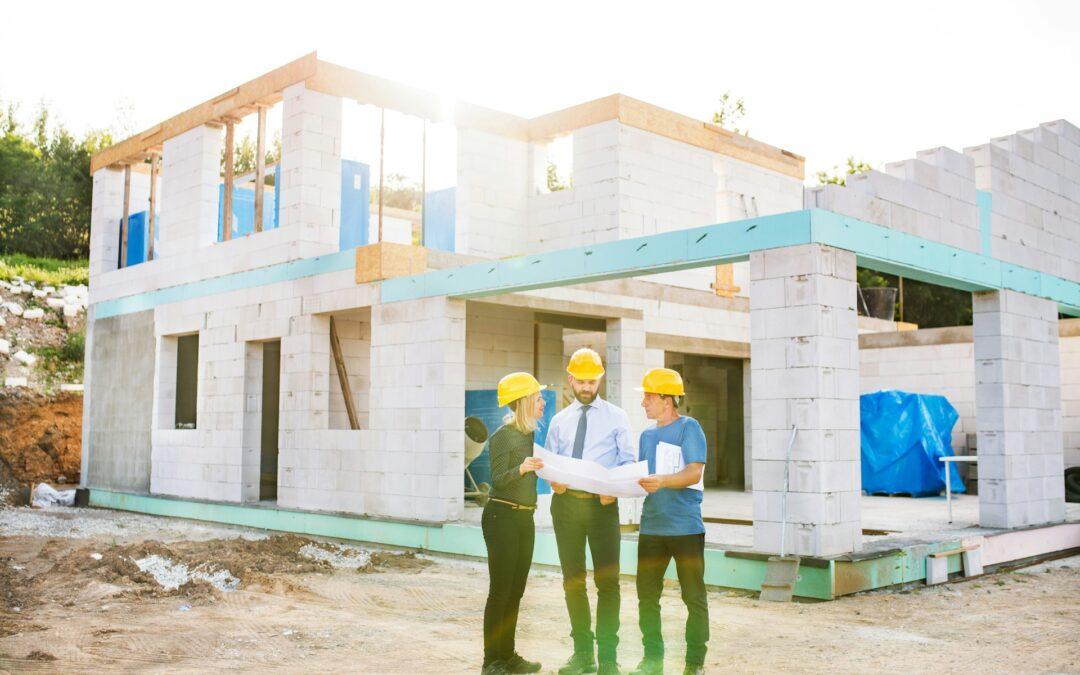
Blog
Building a home near the water takes more than just a set of blueprints. In a coastal town like Destin, FL, conditions like sandy soil, salt in the air, and high humidity all play a part in how we build strong foundations. Up here on the Gulf Coast, you can’t ignore the weather or assume the ground will stay firm and dry all year long.
That’s why choosing the right foundation isn’t something we leave to chance. As a home builder in Destin, FL, we think ahead about what’s best for the land and the homeowner. A strong base helps the home stand firm, even when storms roll in or when the ground shifts slightly over time. We look at the land, the water, and the risks, then we build from there.
Understanding the Ground Beneath You
Foundations start with the ground, and coastal ground has its quirks. In Destin, there’s a lot of sandy soil, and while that makes for beautiful beaches, it’s not always the best for stability. Sand doesn’t hold onto water the way thicker soil types do, which means it can shift more during heavy rain.
That’s not the only challenge. In many parts of Destin and nearby places like Walton Beach or Milton, the water table is high. That means the level underground where the soil is always wet isn’t very deep. This can create problems for homes that sit low without the right kind of foundation.
We like to start with a soil test. It tells us how deep we can dig, how the soil holds up, and if there’s a risk of erosion. That kind of info helps us make good choices before construction begins. Coastal Heritage Builders routinely performs thorough site evaluations and soil tests as part of our custom home construction process along the Gulf Coast to ensure long-term stability and performance.
Foundations That Work Best Near the Coast
Once we know what the ground is like, we can match it with a foundation type that fits. In Destin, three main types tend to do well:
- Concrete slab foundations are flat and poured right at ground level. They’re simple and can be good for lots with stable conditions, but they aren’t ideal if there’s a big risk of flooding.
- Pier and beam systems lift the home off the ground using vertical supports. This works well for areas with shifting soil or places that gather water more often.
- Piling foundations go deeper. Long posts are drilled far into the earth to reach firmer ground layers. These are often used when we need to build higher above flood zones or on sites close to the shoreline.
We also plan around how water moves. That might mean adding fill dirt to raise the lot, sloping the land for drainage, or placing vents under the home so water can pass through instead of getting trapped.
Building to Handle Moisture and Movement
Coastal weather doesn’t hold back. We get heavy rain, humid air, and, during hurricane season, strong winds and fast-moving water. Foundations in Destin need to stand up to all of it.
Moisture doesn’t just affect wood and siding. It can wear down concrete over time and impact how stable a home stays over the years. Salt adds another layer of challenge, speeding up wear on metal ties and parts that help hold a foundation together.
As a home builder in Destin, FL, we use materials and designs that resist water and allow for a bit of movement without damage. That might mean adding extra metal reinforcements or choosing treated materials just for that lower level of the home. We want homes that flex a little when they need to but don’t crack under pressure. Our team is fully licensed and insured, and we use moisture-resistant materials and storm-ready construction methods to ensure our homes meet the strict standards of Florida’s coastal building codes.
Planning with Codes, Permits, and Timing
Nothing gets built here without following local rules. In places with flood risks or strong coastal winds, building codes tell us how deep footings need to go, how high a foundation must be, and what materials are approved for those zones.
We take that seriously. A good foundation holds not just the home’s weight, but the trust of whoever’s moving into it. Permits are part of the plan and help keep the whole process on track.
Spring is a smart time to start building. The ground is usually dry enough to dig and pour footings, and there’s still time to get ahead of rainy-season delays. By beginning in late March or early April, we can get the big parts done before hurricane weather picks up in summer.
The Value of Local Experience in Coastal Construction
When it comes to building a long-lasting Gulf Coast home, the real strength lies in the base. We don’t take shortcuts, because the ground here doesn’t give second chances. A smart foundation supports everything above it, from the walls and roof to the people living inside.
Coastal Heritage Builders has provided custom residential construction solutions in the Gulf Breeze and Destin area for more than three decades. Our team combines site-specific knowledge, high-quality craftsmanship, and transparency during every project, guiding clients from site evaluation through permitting, construction, and final walkthroughs.
In Destin and nearby areas, we’ve learned how to read the land and build in a way that fits the environment. Local experience helps us adjust our plans to real weather, real soil, and real risks. When we start strong, the rest of the home can stand up to whatever comes next.
Explore how our team at Coastal Heritage Builders brings homes to life along the Gulf Coast by reviewing our wide range of projects built on the same terrain and under the same conditions you’ll experience. You can browse past builds to get a better sense of what to expect from a skilled home builder in Destin, FL who understands how to lay a solid foundation. Let’s talk about your vision and start planning your dream home today.
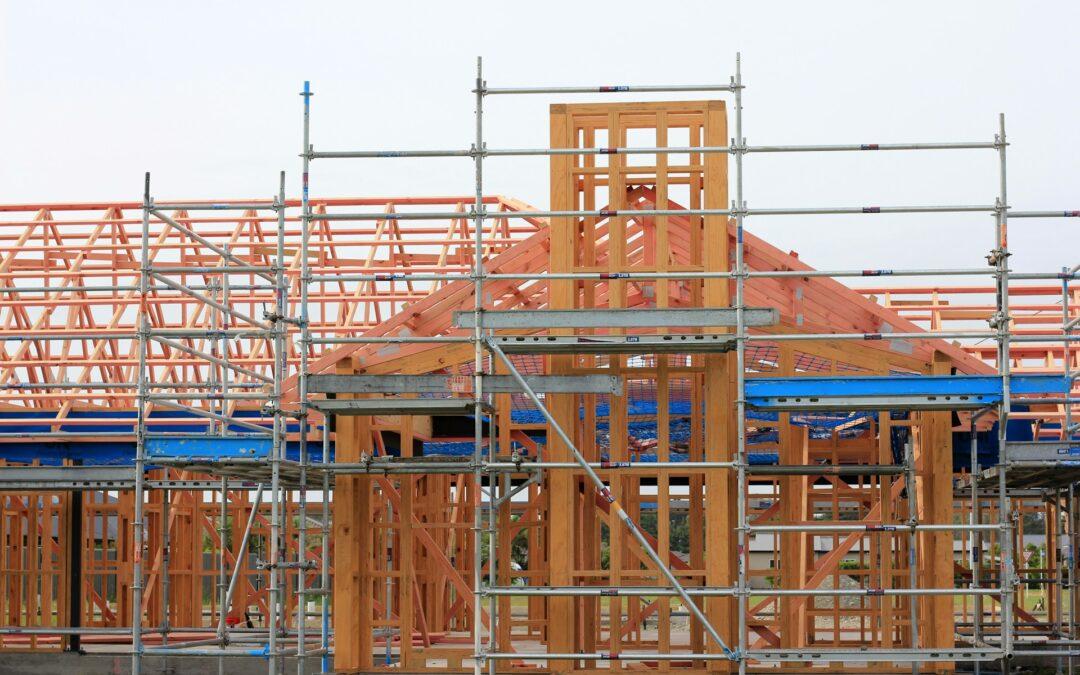
Blog
When you are building a home near the coast, you do not just think about what color the walls will be or how big the kitchen should feel. You start by looking at things like weather, water, and what the land can handle. That is especially true here in Fort Walton Beach, where many properties fall into flood zones. The way water moves through our community during heavy rains or storms matters a lot when it comes to planning a home that is safe and long-lasting.
As a home builder in Fort Walton Beach, we have learned how to prepare for these conditions from the start. That means thinking ahead about how rain drains, where water gathers, and how to build up instead of out when it matters most. Flood zones do not mean you cannot build; they just mean the planning has to be a little smarter and the building a bit more prepared.
Understanding Flood Zones in Fort Walton Beach
Before we start designing or digging, we always take a close look at where the property sits in relation to flood zones. These zones are identified based on how likely it is that water might flood the land during storms or big rainfalls. Living near the Gulf, it is no surprise that a good number of neighborhoods in Fort Walton Beach sit in moderate or high-risk areas.
Some of the lowest-lying spots are closest to the bay or inlet. Other areas may not look like flood zones at first, but could still take on water during heavy downpours. Knowing your zone means we can make better decisions right away, before the foundation is even poured.
Each zone has different guidelines we follow, like how high the floor needs to be or how water needs to flow around the property. Staying ahead of those rules can help the home stay dry and keep repairs down the road from being a problem.
How Builders Prepare for Flood Zone Requirements
Building in a flood zone means doing some things a little differently, but in a smart and manageable way. One of the first steps is figuring out the best foundation style. In flood-prone areas, raised homes are common. That might mean building on pilings or lifting the home higher with a crawl space foundation, depending on what the land allows.
We follow our local codes closely so we are meeting all the right building standards. These rules help prevent water from damaging the structure during floods and keep people safer during storms. Getting the permits in order is part of this process, too. We plan for that from the very start so there are not surprises later on.
The materials we choose also play a role. In places that see a lot of moisture, we go with options that handle wet weather better. Siding, flooring, and insulation all come into play, and making good choices early means fewer problems down the line. For example, some materials are naturally more resistant to water, making them a good investment for homes in areas that get a lot of rain. Coastal Heritage Builders has extensive experience working with moisture-resistant building materials and flood zone requirements for homes in the Gulf Coast region.
Sometimes, we offer extra suggestions depending on the unique needs of a property. This can include installing vents within raised foundations, using water barriers, or choosing landscaping that naturally guides water away from the structure. These details may seem small at first, but they help keep homes protected through every season.
Choosing Smart Home Locations and Layouts
Picking out the lot is one of the biggest decisions when building a home near the water. A slight slope or a few extra feet of elevation can make a big difference. Properties that sit a bit higher usually face lower flood risks, so we look at topography and soil conditions before anything else.
When it comes to layout, homes in flood zones usually work better when the main living spaces are on the upper floors. That can mean placing garages or storage on the first level and keeping bedrooms, kitchens, and living rooms one floor up. That way, if water ever does reach the lower level, the damage is kept to a minimum.
As a home builder in Fort Walton Beach, we help shape these layouts to match what the land offers and what the homeowners need. No two lots are exactly the same, and no two families live the same way, so we build with both in mind. As a local builder serving the Gulf Coast since 1992, we understand Fort Walton Beach’s site-specific challenges and frequently advise clients on ways to maximize views and minimize flood-related risks.
Another part of the planning process is looking at how vehicles, storage spaces, and daily living needs can fit around elevation strategies. We might recommend adjusting stair placement, adding covered outdoor spaces underneath the home, or using innovative storage solutions that keep family life simple and organized while following best building practices.
Seasonal Timing and Construction Planning
Spring is a good time to start thinking about construction, especially along the Gulf Coast. The weather stays mostly dry, which helps move projects ahead without as many slowdowns. It is also a good stretch before hurricane season begins, so there is plenty of room in the schedule to make solid progress before those summer storm months begin.
We map out timing carefully. We think about the dry months for site work and framing, and we try to plan the trickier parts of construction outside of peak rain season. If we are building in a flood zone, it is not just about avoiding puddles, it is about making sure drainage and grading get the attention they need.
We work closely with our clients and team members to schedule each step at the best time for success. By focusing on weather patterns unique to Fort Walton Beach, we help keep construction on track and avoid preventable delays. Seasonal scheduling also adds another level of confidence that the home will be ready for move-in without last-minute rushes or weather surprises.
Planning ahead helps everyone involved, from the people doing the work to those building their future home. A smooth schedule and smart timing mean fewer delays and better peace of mind.
Expertise Building Peace of Mind in Coastal Homes
Building in a flood zone takes some extra care, but it is doable with the right approach. By spotting the risk areas early, picking the right lot, and adding smart design features, we help the home stand strong through Gulf Coast weather. Every choice we make during the build adds a little more protection down the road.
At Coastal Heritage Builders, our clients benefit from a collaborative, hands-on approach and a commitment to quality and safety at every stage. With a focus on critical details like drainage design, moisture-resistant materials, and compliance with Florida’s coastal construction codes, we ensure that every Fort Walton Beach custom home is well prepared for both daily living and unpredictable storms.
Discover how a home builder in Fort Walton Beach has successfully managed elevation changes, layout adjustments, and thoughtful site selection to create lasting homes in flood-prone areas. Seeing completed projects built under similar conditions can help you visualize what is possible for your own property. At Coastal Heritage Builders, we are here to guide you through each step and answer your questions. Contact us when you are ready to discuss your home plans.
Recent Comments