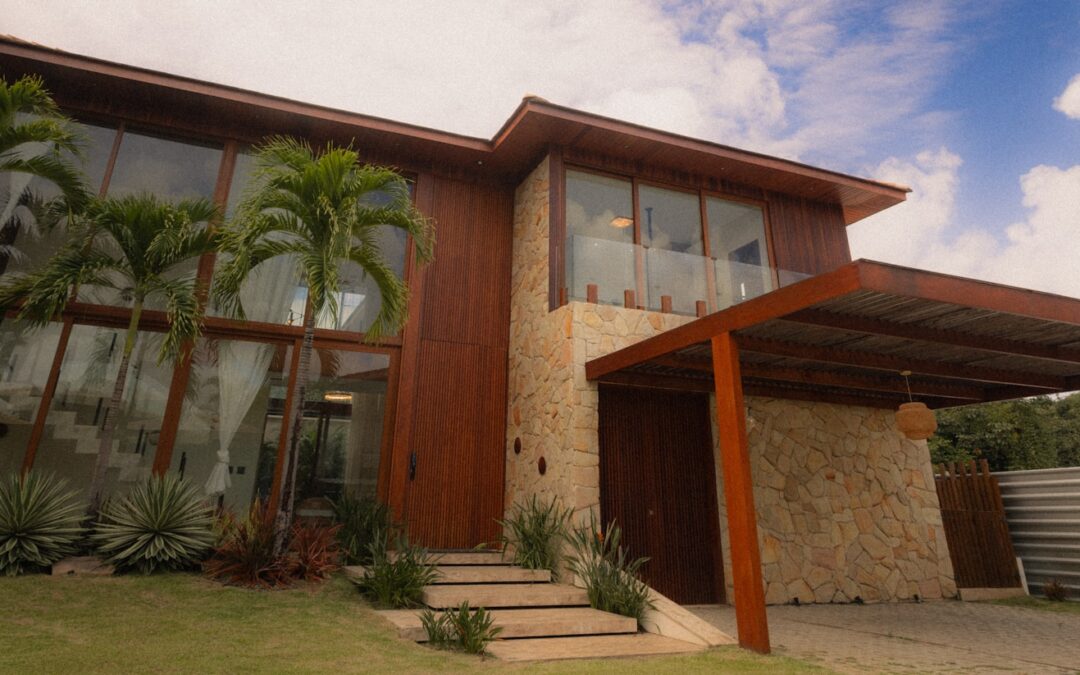
Living near the Florida coast means getting used to a different kind of winter. It doesn’t snow here, but the air shifts, and so does how our homes feel. The breeze off the Gulf might be nice in the morning, but by afternoon, it can leave salty moisture behind. So when we think about building smarter homes, we don’t just look at the summer heat. We pay attention to how energy is used and lost all year.
That’s where design matters. An energy efficient home builder knows that good choices early on make the biggest difference down the line. It’s about using less power. It’s about building homes that feel steady and calm, even when the weather flips from cool to sticky in a single day. Along the Gulf Coast, that kind of balance takes planning, but it really pays off.
Building for Breezy Winters and Sunshine
Florida winters might seem mild, but they still bring their own set of challenges. The air gets drier some days, then thick with humidity the next. Salt carried in from the Gulf can settle into open areas. And without real cold fronts, temperature swings from morning to night can be more noticeable inside homes.
We account for all of that when we design. Placement of windows and rooflines helps bring in light during the cooler parts of the day while blocking extra heat when the sun gets strong. The insulation gets picked based on how it performs in humidity and seasonal changes, so the house stays steady inside no matter what’s happening outside.
- Roof shape and color are chosen to reflect sun and limit heat gain.
- Windows are often set to catch natural light while pushing warm air upward and out.
- Insulation gets planned room by room, not just wall by wall, so each space holds temperature better.
The goal is to let fresh air in when it feels good and keep the inside protected when it doesn’t. That keeps energy use low without making the home feel boxed up.
Materials That Handle Coastal Living
Homes close to saltwater take more wear than most people might expect. The breeze off the water brings tiny salt particles that can chip away at siding, roofing, and fixtures over time. Add in a bit of extra sunshine and a few afternoon showers, and it makes a big difference what materials we choose during the build.
We think long-term when we source. Flooring that handles warmth without warping. Siding that doesn’t peel or fade with age. Roofing that stands up to salty air and still supports good energy movement. Every part adds up.
- We pick siding that resists salt damage and heat swelling.
- Metal roofing or treated shingles hold strong and reflect heat with the right finish.
- Flooring gets selected for both comfort and durability, especially in rooms that stay near doors or deal with tracking in sand and moisture.
Using the right materials lowers replacement and repair needs down the road. It also helps avoid energy loss from weak spots like warped boards or worn-out paint. That means less waste, more savings on energy, and a house that stays nicer longer.
Smart Layouts That Keep Air Flowing
Fresh air is one of the best parts about living near the Gulf, but it only helps when the house is designed to use it well. Even in winter, homes need consistent airflow to feel good inside. Windows might not stay open as long, but that doesn’t mean the air should get stuffy.
Door and window placement can go a long way. When they’re lined up the right way, air flows from one room to another without needing fans or filters to do all the work. We think about how each room connects, where the light comes in, and which way the breeze moves across the land.
- Layouts often include open paths between shared spaces to let air and light stretch farther.
- Window height and spacing are chosen with cross ventilation in mind, so rooms cool naturally.
- Utility rooms and bathrooms get placed where airflow can keep them dry and comfortable.
This kind of planning reduces the workload on heating or cooling systems, especially on days when it’s warm in the afternoon but cool at night. The result is a home that breathes with the day, instead of fighting against it.
Why Winter is a Great Time to Plan Ahead
Cooler months give us a chance to look closely at how homes are working. Without the heavy heat of summer, it’s easier to check systems and spot updates that can help later. That might mean walking a new property, reviewing airflow, or updating parts of the house that didn’t hold up as expected.
This is also a time when energy efficient home builder plans really come into shape. We get to learn how different materials are aging, see how insulation holds up after a few cooler nights, and think about tools that can help once the hotter months return.
- Winter is a good time for outdoor walk-throughs before the bugs and heat settle back in.
- Temperature swings help us read how insulation and materials act under strain.
- Planning in the off-season gives more time to think carefully about design, not rush from problem to solution.
Getting ahead during winter lets us make better choices for spring work. When those choices are grounded in how energy flows through a home, everything starts stronger.
Designed to Work All Year, Not Just in Summer
Coastal homes can’t just be built for one season. Warm days don’t stop in winter, and cool breezes don’t last long when conditions shift. That’s why we design for the full year, not just for hot summers or brief cool stretches.
Every window, wall, and material is chosen with change in mind. We plan for the salty air, for fast-moving rains, and for days that quietly go from dry to damp. Smart building doesn’t try to fight the weather, it works with it.
- Temperature swings are expected, so materials that adjust slowly make interiors feel steadier.
- Durable roof and wall designs protect against quick shifts in humidity and rain.
- Natural air movement helps keep the inside comfortable regardless of outside conditions.
Good design makes a home feel calm no matter what month it is. When we plan with coastal seasons in mind and build with energy movement in our sights, homes aren’t just safer. They’re easier to live in, cleaner to maintain, and more comfortable year-round. That makes the difference.
Planning a new build or thinking about a renovation in Walton Beach or Milton means considering how great design works in every season. Seeing how these ideas come together makes a big difference over time. To see what a thoughtful energy efficient home builder can achieve along the Gulf Coast, take a look at some of our completed projects. At Coastal Heritage Builders, we’re always happy to talk about new ideas and help you plan for comfortable living year-round, so contact us when you’re ready to get started.
Recent Comments